
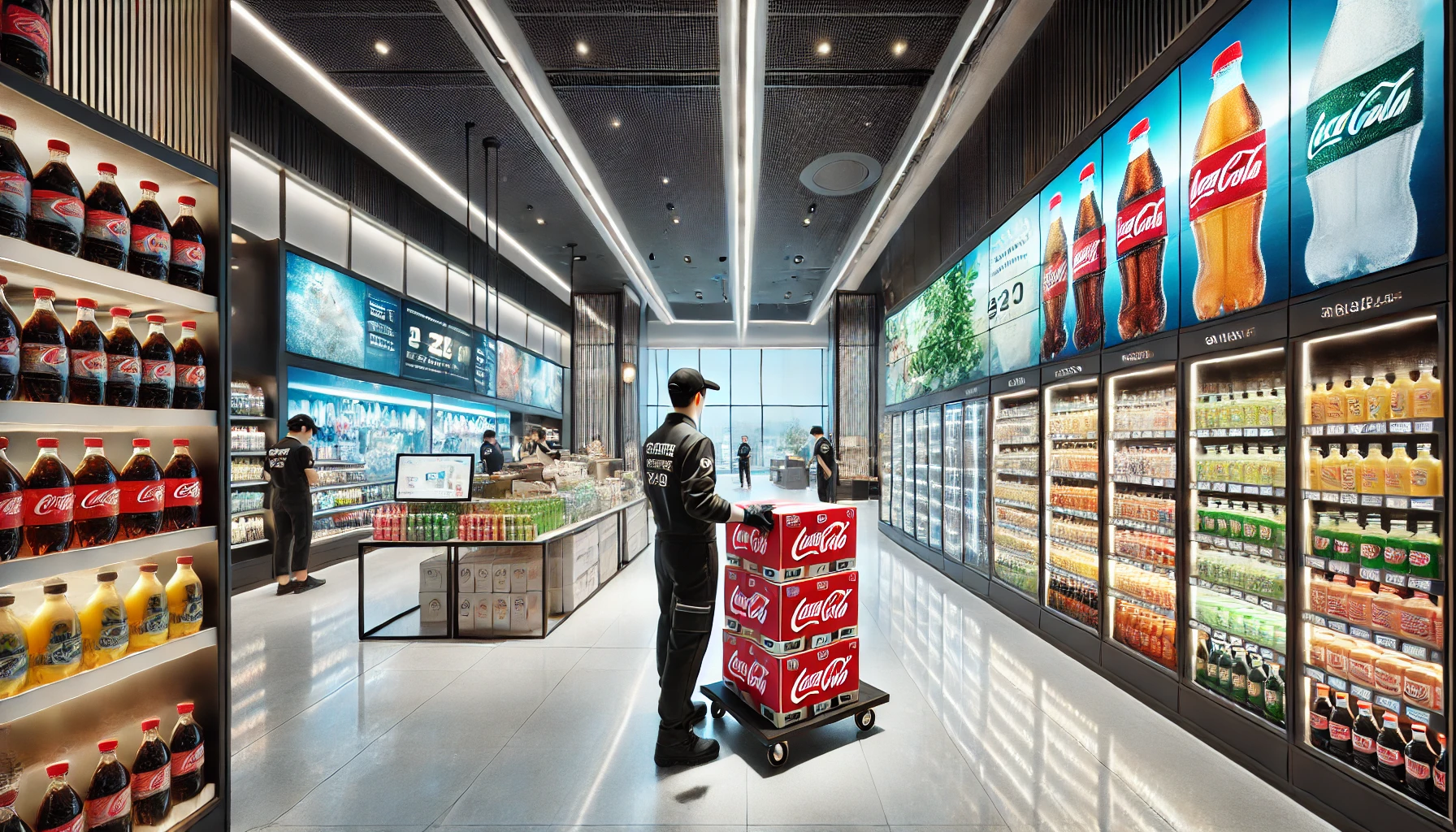

Wyoming’s BEVERAGE DISTRIBUTORS
A Comprehensive Guide to Wyoming’s Beverage Market
Wyoming, known for its stunning landscapes, outdoor activities, and small-town charm, is home to a burgeoning beverage market driven by local craft industries, a focus on sustainable practices, and growing interest in quality and artisanal drinks. While the state is more sparsely populated compared to other U.S. regions, its beverage industry is gaining momentum with a particular focus on craft beer, local spirits, and unique non-alcoholic options. This guide will delve into Wyoming’s beverage distribution landscape, highlighting key players, emerging trends, and strategies for success in this evolving market.
Overview of Wyoming’s Beverage Market
Wyoming’s beverage market is growing, influenced by its strong agricultural base, a focus on locally sourced ingredients, and the increasing demand for premium and craft products. Key categories in Wyoming’s beverage market include:
- Alcoholic Beverages: Wyoming’s craft beer scene is flourishing, and the state is also home to distilleries producing unique spirits, including whiskey and vodka, as well as locally crafted mead and cider.
- Non-Alcoholic Beverages: While still emerging, non-alcoholic options like organic juices, kombucha, and cold brews are gaining traction, as consumers become more health-conscious.
- Specialty Beverages: The demand for specialty drinks such as locally made craft sodas, artisanal coffee, and CBD-infused beverages is slowly increasing as the local beverage scene matures.
Key Beverage Distribution Channels
In Wyoming, beverage distributors utilize a variety of channels to reach their customers:
- Retail: Local liquor stores, supermarkets, and specialty beverage shops are key for both alcoholic and non-alcoholic beverages. Many of these stores focus on locally sourced products and craft beverages.
- Hospitality: Wyoming’s hospitality sector, which includes bars, restaurants, and tourist destinations (especially in cities like Jackson and Cheyenne), is a vital part of beverage distribution. These venues are popular for serving craft beers and locally distilled spirits.
- Tourism and Events: As a state with a large number of visitors year-round, Wyoming’s tourist economy contributes significantly to beverage demand. Events like the Jackson Hole Wine Festival and the Cheyenne Frontier Days Rodeo draw large crowds and boost beverage sales.
- E-Commerce and Direct Sales: As the demand for convenience grows, online ordering and direct sales are increasingly important for reaching customers in rural areas and small towns across the state.
Prominent Beverage Distributors in Wyoming
Wyoming is home to several prominent local and regional distributors and producers:
- Snake River Brewing: Based in Jackson, Snake River Brewing is one of the state’s most renowned craft breweries, producing a variety of beers that reflect Wyoming’s outdoor culture.
- Melvin Brewing: With a focus on high-quality, flavorful beers, Melvin Brewing has quickly gained recognition and is one of the largest craft breweries in the state.
- Wyoming Whiskey: Known for producing small-batch whiskey crafted from locally sourced grains, Wyoming Whiskey is a key player in the state’s craft spirits scene.
- Teton Distillery: Located in Jackson, Teton Distillery produces premium spirits, including vodka and gin, using local ingredients to create high-quality drinks.
- Lander Brewing Company: This microbrewery in Lander offers a selection of unique and regionally inspired craft beers, contributing to the growth of Wyoming’s local brewing industry.
- Oregon Trail Distillery: A Wyoming-based distillery known for producing premium vodka, gin, and whiskey, Oregon Trail Distillery represents the state’s emerging craft spirits market.
Challenges in Wyoming’s Beverage Market
Despite its growth, beverage distributors in Wyoming face several challenges:
- Small Population: Wyoming’s smaller population compared to other states means a limited customer base, making it difficult for some distributors to achieve the economies of scale seen in larger markets.
- Competition with Out-of-State Brands: While local beverage producers are gaining recognition, competition from larger, national brands can be difficult to overcome in the state’s relatively small market.
- Regulatory Issues: Wyoming’s liquor laws and alcohol distribution regulations can be complex, and navigating these can be a challenge for both new and established distributors.
- Geographic Spread: With its vast rural areas and dispersed population, efficient distribution networks are essential to ensure that products are accessible across the state.
Emerging Trends in Wyoming’s Beverage Market
Wyoming’s beverage market is evolving, with several trends shaping its future:
- Craft Beer: The craft beer scene continues to thrive in Wyoming, with local breweries experimenting with new flavors, seasonal beers, and unique brewing methods.
- Local Spirits: Distilleries producing high-quality whiskey, vodka, gin, and rum are on the rise, as consumers seek locally made spirits that reflect the state’s culture and heritage.
- Health-Conscious Beverages: As in many parts of the U.S., there is growing interest in non-alcoholic beverages like kombucha, cold-pressed juices, and functional drinks made with CBD and other natural ingredients.
- Sustainability: Consumers in Wyoming are increasingly focused on sustainability, making eco-friendly packaging and locally sourced ingredients attractive to beverage makers and distributors.
- Outdoor-Inspired Drinks: Given the state’s strong outdoor culture, beverages inspired by the natural environment, such as botanical-infused drinks, are gaining popularity.
Strategies for Success
To succeed in Wyoming’s competitive beverage market, distributors should focus on the following strategies:
- Support Local Producers: Partner with local breweries, distilleries, and coffee roasters to highlight Wyoming-made beverages and appeal to consumers who value locally sourced products.
- Leverage Tourism: Take advantage of the state’s strong tourism industry, especially in cities like Jackson, Laramie, and Cheyenne, where tourists are looking for unique and locally crafted beverages.
- Expand E-Commerce: As rural areas continue to seek convenience and home delivery, establishing an e-commerce presence will help distributors tap into the growing demand for direct-to-consumer sales.
- Emphasize Sustainability: Use eco-friendly packaging, support sustainable production practices, and emphasize these values in marketing efforts to appeal to environmentally conscious consumers.
- Cater to Health-Conscious Consumers: Offer non-alcoholic, low-sugar, and functional beverage options to attract the growing segment of health-conscious individuals in Wyoming.
Wyoming’s beverage market is on the rise, driven by the state’s unique cultural heritage, a growing interest in craft beverages, and a focus on locally sourced ingredients. Although the market presents challenges due to the state’s small population and vast geography, the growing craft beer scene, emerging spirits market, and increasing demand for health-conscious options create significant opportunities for beverage distributors. By supporting local producers, expanding e-commerce, and focusing on sustainability and health trends, beverage distributors can succeed in Wyoming’s evolving and vibrant beverage market.
To get into a beverage distributor, you typically need to contact the sales representative of the distributor directly, present your business and sales plan, demonstrate a strong market presence and customer base, and comply with the distributor’s licensing and legal requirements; often, this involves having a valid retail license, a well-established business with a proven track record of selling beverages, and a clear understanding of the three-tier system in the beverage industry.
.
Steps to get into a beverage distributor:
- Research and identify distributors:
Find distributors in your area that align with your product type and target market.
- Contact the sales team:
Reach out to the sales representative of the distributor and schedule a meeting.
- Prepare a compelling presentation:
- Your business profile: Present details about your business, including your company history, ownership structure, and current customer base.
- Market analysis: Showcase your understanding of the local market, including demographics and competitor landscape.
- Sales strategy: Outline your plan for marketing and selling the products to your customer base.
- Financial information: Provide details about your financial stability and sales potential.
- Your business profile: Present details about your business, including your company history, ownership structure, and current customer base.
- Product knowledge:
Demonstrate in-depth knowledge about the beverage products you want to distribute, including their features, benefits, and pricing.
- Compliance with regulations:
Ensure you have all necessary licenses and permits to sell and distribute beverages in your area.
- Logistics and distribution plan:
Discuss your capabilities for storage, delivery, and managing inventory.
- Negotiate terms:
Discuss pricing, minimum order quantities, payment terms, and promotional support with the distributor.
Important considerations:
- Three-tier system:
Understand the three-tier system in the beverage industry, where producers sell to distributors, who then sell to retailers.
- Sales volume and market reach:
Distributors typically prioritize businesses with a proven track record of sales and a strong market presence.
- Customer base:
Highlight the customer types you serve and how your sales strategy will benefit the distributor.
- Brand reputation:If you are a new company, building a positive brand image can be crucial.