
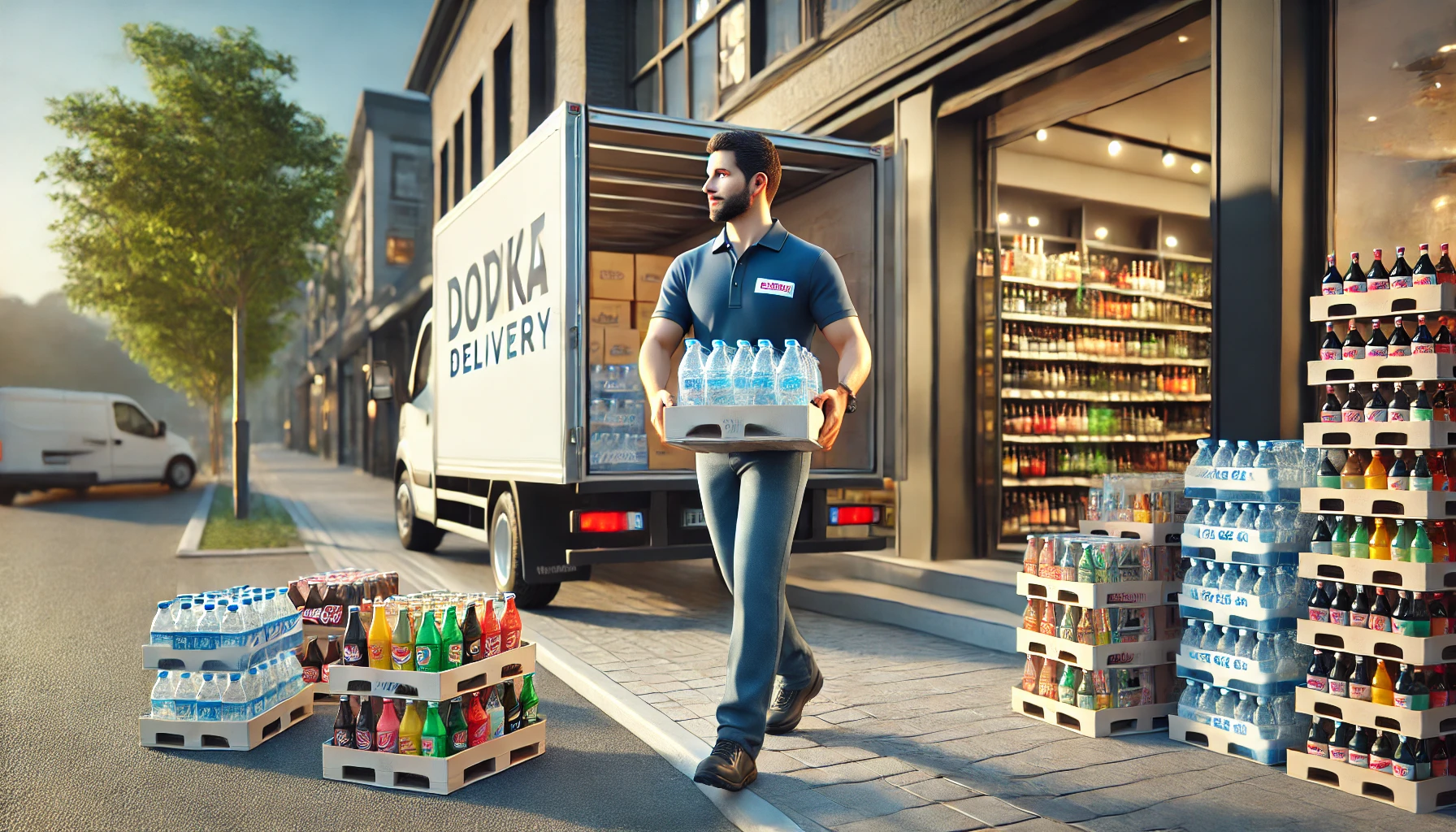

Oklahoma’s BEVERAGE DISTRIBUTORS
A Comprehensive Guide to Tulsa’s Beverage Market
Tulsa, Oklahoma, is a city that blends a rich cultural heritage with a growing entrepreneurial spirit. Known for its dynamic arts scene, revitalized downtown area, and a strong sense of local pride, Tulsa’s beverage market is booming. The city has become a hub for craft breweries, distilleries, and local beverage producers, all while embracing the latest trends in health-conscious and functional drinks. This guide explores Tulsa’s beverage distribution landscape, highlighting key players, emerging trends, and strategies for success in this vibrant market.
Overview of Tulsa’s Beverage Market
Tulsa’s beverage market is defined by its balance of local craftsmanship and modern innovation. The city is home to a flourishing craft beer scene, a growing interest in artisanal spirits, and a notable rise in health-driven beverages. Key categories in Tulsa’s beverage market include:
- Alcoholic Beverages: Tulsa has seen a surge in craft breweries and distilleries, producing a variety of local beers, whiskey, vodka, gin, and rum. Local producers are gaining attention for their creativity and high-quality products, helping make Tulsa a key player in the state’s craft beverage movement.
- Non-Alcoholic Beverages: As consumers become more health-conscious, the demand for functional and wellness-oriented drinks such as kombucha, organic juices, cold brew coffee, and sparkling waters is on the rise in Tulsa.
- Specialty Beverages: Tulsa is embracing specialty beverages, including locally roasted coffee, artisanal sodas, CBD-infused drinks, and premium teas, appealing to a growing base of consumers who crave unique, high-quality beverages.
Key Beverage Distribution Channels
In Tulsa, beverage distributors use a mix of traditional and emerging channels to connect with consumers. Key distribution channels include:
- Retail: Grocery stores, liquor stores, and specialty beverage shops are essential for both alcoholic and non-alcoholic beverage sales. Retail outlets offer local consumers access to craft beers, artisanal spirits, and other unique beverages.
- Hospitality: Tulsa’s hospitality sector, including its popular neighborhoods like the Pearl District, Brookside, and the Arts District, is a major market for craft drinks. Local restaurants, bars, and hotels cater to consumers looking for premium, locally made beverages and are key distribution points for craft beer and cocktails.
- Tourism and Events: With annual events like the Tulsa State Fair, Tulsa Tough, and concerts at the BOK Center, Tulsa experiences seasonal spikes in beverage demand. Events provide a key opportunity for beverage distributors to showcase their products to both locals and tourists.
- E-Commerce and Direct Sales: E-commerce is a growing channel in Tulsa, with more consumers turning to online shopping for both alcoholic and non-alcoholic beverages. Home delivery services, in particular, have become a convenient option for Tulsa residents seeking local craft drinks from their favorite producers.
Prominent Beverage Distributors in Tulsa
Several prominent distributors and producers are shaping the beverage landscape in Tulsa:
- Marshall Brewing Company: As one of Tulsa’s pioneering craft breweries, Marshall Brewing Company is known for its high-quality beers, including lagers, ales, and seasonal brews. The brewery has become a staple of Tulsa’s craft beer scene.
- American Solera: This brewery is known for its innovative beers and barrel-aging techniques, offering unique, flavor-forward brews that reflect Tulsa’s emerging craft beer culture.
- Dead Armadillo Craft Brewing: Another well-established brewery in Tulsa, Dead Armadillo Craft Brewing produces a wide variety of beers, from traditional styles to experimental brews, appealing to a broad audience of craft beer enthusiasts.
- Alder Creek Distillery: Located in Tulsa, Alder Creek Distillery produces small-batch whiskey, vodka, and gin, contributing to the growing craft spirits market in the city.
- Rescue Me Coffee: Tulsa has a thriving coffee culture, and Rescue Me Coffee, known for its small-batch roasting and premium cold brews, serves as a key player in the local specialty beverage market.
Challenges in Beverage Distribution
While Tulsa’s beverage market presents significant opportunities, distributors face a few challenges:
- Regulatory Complexity: Oklahoma’s alcohol laws and distribution regulations can be complicated, particularly regarding licensing, hours of sale, and distribution rights. Distributors need to stay on top of changing laws to ensure compliance.
- Growing Competition: Tulsa’s craft beverage scene is expanding rapidly, and competition among local breweries, distilleries, and beverage producers is increasing. Standing out in a crowded market requires creativity and a focus on quality.
- Logistical Challenges: Distributors must navigate both the urban and suburban areas of Tulsa, ensuring timely delivery and access to products. This can be challenging, especially during busy seasons or major events.
- Seasonal Demand: Like many cities, Tulsa experiences fluctuations in beverage demand, particularly during large events, holidays, and the warmer months. Distributors need to be able to adapt to seasonal spikes in demand and manage inventory accordingly.
Emerging Trends in Tulsa’s Beverage Market
Several key trends are shaping the direction of Tulsa’s beverage market:
- Craft Beer Growth: Craft beer remains a cornerstone of Tulsa’s beverage market, with an increasing number of breweries offering diverse styles, innovative flavors, and seasonal brews. As the city’s craft beer culture continues to grow, so does consumer interest in local, small-batch products.
- Health-Conscious Beverages: Tulsa consumers are increasingly looking for wellness-driven beverages that offer health benefits. Functional drinks like kombucha, cold brew coffee, organic juices, and beverages with probiotics are in high demand as people focus on their health and wellness.
- Sustainability: There’s a rising interest in sustainable products and packaging in Tulsa. Beverage distributors who embrace eco-friendly practices, such as using recyclable packaging or sustainably sourced ingredients, will find favor among environmentally conscious consumers.
- Ready-to-Drink Cocktails: The popularity of ready-to-drink (RTD) cocktails is on the rise in Tulsa, particularly those made with locally produced spirits. Consumers are looking for convenience without sacrificing quality, and RTD beverages offer a quick and accessible solution for craft cocktail enthusiasts.
- CBD and Functional Beverages: As wellness continues to trend, CBD-infused beverages are becoming more mainstream in Tulsa. Whether it’s CBD-infused coffee, sparkling waters, or teas, these functional beverages appeal to a health-conscious and stress-aware market.
Strategies for Success
To succeed in Tulsa’s competitive beverage market, distributors should focus on the following strategies:
- Partner with Local Producers: Collaborating with local breweries, distilleries, and beverage makers can help distributors tap into the growing demand for locally produced products. Supporting local producers also helps foster community relationships and loyalty.
- Leverage Events and Festivals: Tulsa hosts a variety of annual events, festivals, and sporting events that attract large crowds. Distributors can leverage these opportunities to showcase their products and connect with new customers.
- Invest in E-Commerce: With the rise of online shopping, expanding your e-commerce presence can help distributors reach a broader customer base. Providing home delivery services for both alcoholic and non-alcoholic beverages can cater to the growing demand for convenience.
- Promote Sustainability: Emphasizing sustainable sourcing and eco-friendly packaging will resonate with Tulsa’s environmentally conscious consumers. By prioritizing sustainability, distributors can tap into a growing market that values responsible business practices.
- Tap into Wellness Trends: Offering functional and health-driven beverages such as kombucha, cold brew coffee, and probiotics can help distributors align with the city’s growing interest in wellness and healthy living.
The Role of Independent Retailers in Tulsa’s Beverage Market
Independent retailers play an essential role in the beverage distribution landscape in Tulsa:
- Support for Local Brands: Independent retailers often focus on carrying local craft beverages, helping to support the local economy and introduce consumers to new products that reflect Tulsa’s growing craft scene.
- Flexibility and Adaptability: Independent retailers can more easily adapt to emerging trends, allowing them to offer a wider range of beverage options and cater to niche markets.
- Personalized Customer Experience: Independent retailers often provide a more personalized shopping experience, building long-term relationships with customers and creating a loyal base of consumers.
Tulsa’s beverage market is a thriving space filled with opportunities for local producers and distributors. From craft beer to artisanal spirits and health-conscious beverages, Tulsa’s consumers are eager to embrace new, high-quality drinks. By fostering partnerships with local producers, taking advantage of events and e-commerce, and focusing on trends like sustainability and wellness, beverage distributors can succeed in Tulsa’s competitive and ever-evolving market. Whether it’s capitalizing on the craft beer boom, offering functional beverages, or tapping into the ready-to-drink cocktail trend, Tulsa is an exciting market with immense potential for growth.
To get into a beverage distributor, you typically need to contact the sales representative of the distributor directly, present your business and sales plan, demonstrate a strong market presence and customer base, and comply with the distributor’s licensing and legal requirements; often, this involves having a valid retail license, a well-established business with a proven track record of selling beverages, and a clear understanding of the three-tier system in the beverage industry.
.
Steps to get into a beverage distributor:
- Research and identify distributors:
Find distributors in your area that align with your product type and target market.
- Contact the sales team:
Reach out to the sales representative of the distributor and schedule a meeting.
- Prepare a compelling presentation:
- Your business profile: Present details about your business, including your company history, ownership structure, and current customer base.
- Market analysis: Showcase your understanding of the local market, including demographics and competitor landscape.
- Sales strategy: Outline your plan for marketing and selling the products to your customer base.
- Financial information: Provide details about your financial stability and sales potential.
- Your business profile: Present details about your business, including your company history, ownership structure, and current customer base.
- Product knowledge:
Demonstrate in-depth knowledge about the beverage products you want to distribute, including their features, benefits, and pricing.
- Compliance with regulations:
Ensure you have all necessary licenses and permits to sell and distribute beverages in your area.
- Logistics and distribution plan:
Discuss your capabilities for storage, delivery, and managing inventory.
- Negotiate terms:
Discuss pricing, minimum order quantities, payment terms, and promotional support with the distributor.
Important considerations:
- Three-tier system:
Understand the three-tier system in the beverage industry, where producers sell to distributors, who then sell to retailers.
- Sales volume and market reach:
Distributors typically prioritize businesses with a proven track record of sales and a strong market presence.
- Customer base:
Highlight the customer types you serve and how your sales strategy will benefit the distributor.
- Brand reputation:If you are a new company, building a positive brand image can be crucial.