
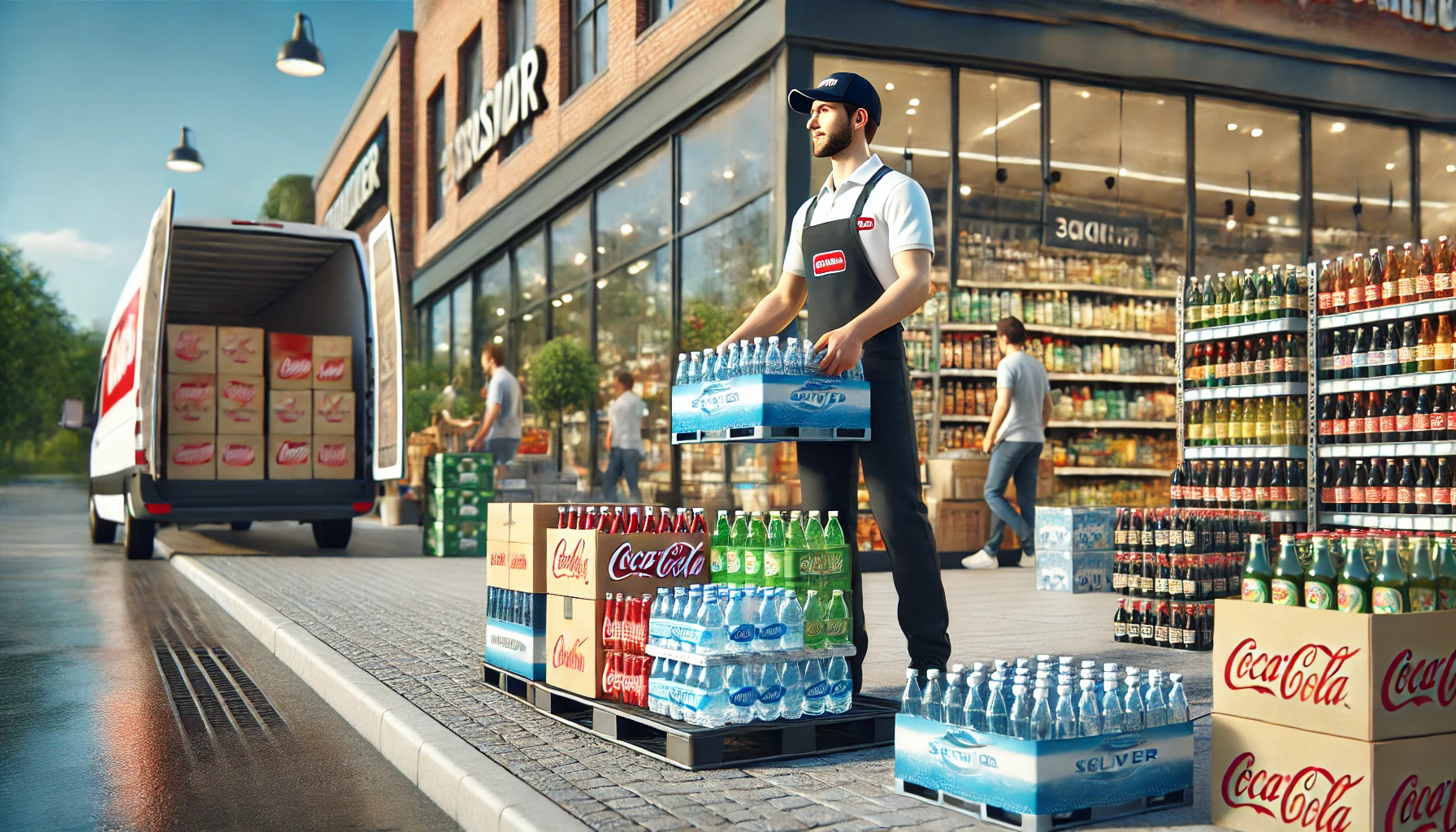

Rhode Island’s BEVERAGE DISTRIBUTORS
A Comprehensive Guide to Rhode Island’s Beverage Market
Rhode Island, the smallest state in the U.S., is packed with vibrant cities, coastal beauty, and a rich cultural heritage. Despite its size, Rhode Island’s beverage market has a significant presence, driven by local craft producers, a strong tourism industry, and a growing demand for artisanal, health-conscious drinks. Beverage distributors looking to break into Rhode Island will find a diverse landscape that celebrates both innovation and tradition. This guide explores the beverage market in Rhode Island, focusing on key trends, distribution channels, and strategies for success.
Overview of Rhode Island’s Beverage Market
Rhode Island’s beverage market is a dynamic blend of long-standing traditions and modern-day innovation. The market is bolstered by a strong craft beer scene, a notable presence of small-batch spirits, and a growing interest in non-alcoholic, functional beverages. Key categories in Rhode Island’s beverage market include:
- Alcoholic Beverages: Rhode Island has a thriving craft beer scene, with several local breweries and distilleries producing unique beers, spirits, and ciders. The state’s rich history in brewing and distilling continues to shape its beverage culture.
- Non-Alcoholic Beverages: As health-conscious trends rise, Rhode Island is seeing increased interest in cold brews, kombucha, organic juices, and sparkling waters. Consumers are looking for refreshing, functional drinks that align with their wellness-focused lifestyles.
- Specialty Beverages: From small-batch artisanal sodas to CBD-infused drinks and premium teas, Rhode Island’s beverage market is ripe for unique, niche products that cater to a growing consumer base interested in both health and novelty.
Key Beverage Distribution Channels
Beverage distributors in Rhode Island leverage multiple channels to reach a diverse and growing market:
- Retail: Rhode Island features an assortment of liquor stores, specialty beverage shops, and supermarkets, all of which are key retail outlets for alcoholic and non-alcoholic beverage sales. Local businesses frequently support the state’s independent breweries, wineries, and distilleries.
- Hospitality: Rhode Island has a bustling hospitality industry, particularly in cities like Providence, Newport, and Warwick. The state’s restaurants, bars, and hotels play a central role in the distribution of craft beer, premium spirits, and unique non-alcoholic drinks, especially in areas that attract tourists.
- Tourism and Events: Rhode Island’s tourism industry provides a boost to beverage sales, particularly during the summer months and major events like the Newport Jazz Festival, WaterFire, and the Rhode Island International Film Festival. These events create an opportunity for distributors to showcase their products to a diverse audience.
- E-Commerce and Direct Sales: Like many states, Rhode Island’s beverage market is embracing e-commerce. Direct-to-consumer online sales and delivery services are becoming more popular, providing consumers with easier access to their favorite local and national beverages.
Prominent Beverage Distributors in Rhode Island
Rhode Island’s beverage market is supported by a blend of established distributors, local craft producers, and larger regional players:
- Narragansett Brewing Company: One of Rhode Island’s most iconic craft beer brands, Narragansett Brewing Company is known for its traditional lagers and strong local following. As the state’s largest craft brewery, Narragansett plays a major role in Rhode Island’s beer culture.
- Rhode Island Distillery: Specializing in handcrafted spirits, Rhode Island Distillery produces artisanal rum, gin, and whiskey. Their products are representative of the state’s growing interest in locally sourced, small-batch spirits.
- Newport Craft Brewing & Distilling Co.: Newport Craft Brewing & Distilling Co. is another key player in Rhode Island’s growing craft beverage scene, producing both beer and spirits. Their local presence allows them to tap into the state’s tourism-driven demand for unique and premium beverages.
- Clementine’s Creamery: This innovative ice cream and craft beverage maker specializes in creating fun and unique non-alcoholic drinks, including floats, slushies, and even ice cream sodas. They represent the creative spirit in Rhode Island’s beverage market, offering a distinct twist on traditional drinks.
- Ocean State Beverage: As one of the leading distributors in Rhode Island, Ocean State Beverage provides a wide variety of alcoholic and non-alcoholic beverages to local retail and hospitality outlets. They represent both national and local brands and are a major player in Rhode Island’s beverage landscape.
Challenges in Beverage Distribution
Despite its growing beverage market, Rhode Island does come with challenges for distributors:
- Regulatory Environment: Like other states, Rhode Island has a set of regulations for alcohol sales and distribution that distributors must navigate. The Rhode Island Division of Taxation oversees alcohol licensing and controls, which can present challenges for new distributors trying to enter the market.
- Market Saturation: The craft beer and spirits market in Rhode Island is competitive, with a growing number of local breweries, distilleries, and cideries vying for a piece of the market. Distributors must differentiate their products and find unique strategies to capture consumer attention.
- Seasonality: Rhode Island’s tourism-driven economy creates seasonal demand for certain beverages, with the summer months seeing a surge in sales. Distributors must plan accordingly to handle fluctuations in demand, especially during high-traffic events and festivals.
- Logistical Issues: With Rhode Island’s small geographic size, distributors may still face challenges in ensuring timely deliveries to businesses across the state. Effective logistics planning is important to manage transportation and distribution costs.
Emerging Trends in Rhode Island’s Beverage Market
Several trends are shaping the future of Rhode Island’s beverage market:
- Craft Beer Growth: Rhode Island continues to see a rise in craft beer culture, with new breweries opening and more consumers seeking locally brewed, artisanal beer. The state’s craft beer scene is one of the driving forces behind the beverage market.
- Non-Alcoholic and Health-Conscious Beverages: As health and wellness continue to be a priority for many consumers, non-alcoholic beverages like kombucha, cold brew coffee, and sparkling waters are becoming more popular. These drinks offer refreshing, functional options that align with Rhode Island’s wellness culture.
- Sustainability: Rhode Island consumers are increasingly prioritizing sustainable practices. Eco-friendly packaging, locally sourced ingredients, and carbon-conscious production processes are important factors for consumers when making purchasing decisions.
- Premium and Specialty Beverages: In addition to craft beers and spirits, Rhode Island is seeing increased interest in premium, artisanal drinks. Small-batch products, CBD-infused beverages, and functional drinks that offer specific health benefits are gaining traction among consumers.
- Ready-to-Drink Cocktails: Ready-to-drink cocktails and pre-mixed beverages are becoming more popular in Rhode Island. These convenient, high-quality options are especially appealing to busy consumers seeking simplicity without sacrificing taste.
Strategies for Success
To succeed in Rhode Island’s beverage market, distributors should focus on the following strategies:
- Focus on Local Partnerships: Collaborating with local craft brewers, distillers, and other beverage producers is key to standing out in Rhode Island’s competitive market. Consumers in the state value locally made products, so supporting and distributing local brands will strengthen relationships with the community.
- Leverage Tourism and Events: Rhode Island’s thriving tourism industry and major events, such as the Newport Jazz Festival and WaterFire, present excellent opportunities to showcase beverages. Distributors can boost sales by aligning with popular events and offering exclusive promotions.
- Invest in Sustainability: Rhode Island consumers are environmentally conscious, so distributors should prioritize eco-friendly practices, such as using sustainable packaging and supporting responsible sourcing.
- Expand E-Commerce: With more consumers shopping online, having a robust e-commerce platform and offering direct-to-consumer delivery can help distributors reach a larger customer base. This is particularly important in Rhode Island, where local deliveries are becoming more popular.
- Capitalize on Health and Wellness: Health-conscious consumers are looking for beverages that align with their wellness goals. Distributors should focus on promoting functional and low-calorie drinks, such as kombucha, organic juices, and cold brews, to tap into this growing segment.
The Role of Independent Retailers in Rhode Island’s Beverage Market
Independent retailers play a vital role in Rhode Island’s beverage market:
- Support for Local Brands: Independent retailers often feature local craft breweries, wineries, and distilleries, helping to promote Rhode Island-made products and support local artisans.
- Flexibility in Adapting to Trends: Independent stores can quickly adapt to new beverage trends, offering unique and innovative products that meet consumer demand for novelty and quality.
- Personalized Service: Independent retailers tend to offer a more personalized shopping experience, fostering strong relationships with customers and offering expert recommendations based on individual preferences.
Rhode Island’s beverage market offers a wealth of opportunities for distributors, driven by a combination of local craftsmanship, a focus on health and wellness, and a growing interest in sustainable practices. By supporting local producers, leveraging the tourism-driven economy, and focusing on consumer trends such as health-conscious and premium beverages, distributors can position themselves for success in this dynamic market. Whether tapping into the thriving craft beer scene, providing functional drinks, or supporting eco-friendly initiatives, Rhode Island offers exciting opportunities for growth and innovation in the beverage industry.
To get into a beverage distributor, you typically need to contact the sales representative of the distributor directly, present your business and sales plan, demonstrate a strong market presence and customer base, and comply with the distributor’s licensing and legal requirements; often, this involves having a valid retail license, a well-established business with a proven track record of selling beverages, and a clear understanding of the three-tier system in the beverage industry.
.
Steps to get into a beverage distributor:
- Research and identify distributors:
Find distributors in your area that align with your product type and target market.
- Contact the sales team:
Reach out to the sales representative of the distributor and schedule a meeting.
- Prepare a compelling presentation:
- Your business profile: Present details about your business, including your company history, ownership structure, and current customer base.
- Market analysis: Showcase your understanding of the local market, including demographics and competitor landscape.
- Sales strategy: Outline your plan for marketing and selling the products to your customer base.
- Financial information: Provide details about your financial stability and sales potential.
- Your business profile: Present details about your business, including your company history, ownership structure, and current customer base.
- Product knowledge:
Demonstrate in-depth knowledge about the beverage products you want to distribute, including their features, benefits, and pricing.
- Compliance with regulations:
Ensure you have all necessary licenses and permits to sell and distribute beverages in your area.
- Logistics and distribution plan:
Discuss your capabilities for storage, delivery, and managing inventory.
- Negotiate terms:
Discuss pricing, minimum order quantities, payment terms, and promotional support with the distributor.
Important considerations:
- Three-tier system:
Understand the three-tier system in the beverage industry, where producers sell to distributors, who then sell to retailers.
- Sales volume and market reach:
Distributors typically prioritize businesses with a proven track record of sales and a strong market presence.
- Customer base:
Highlight the customer types you serve and how your sales strategy will benefit the distributor.
- Brand reputation:If you are a new company, building a positive brand image can be crucial.