
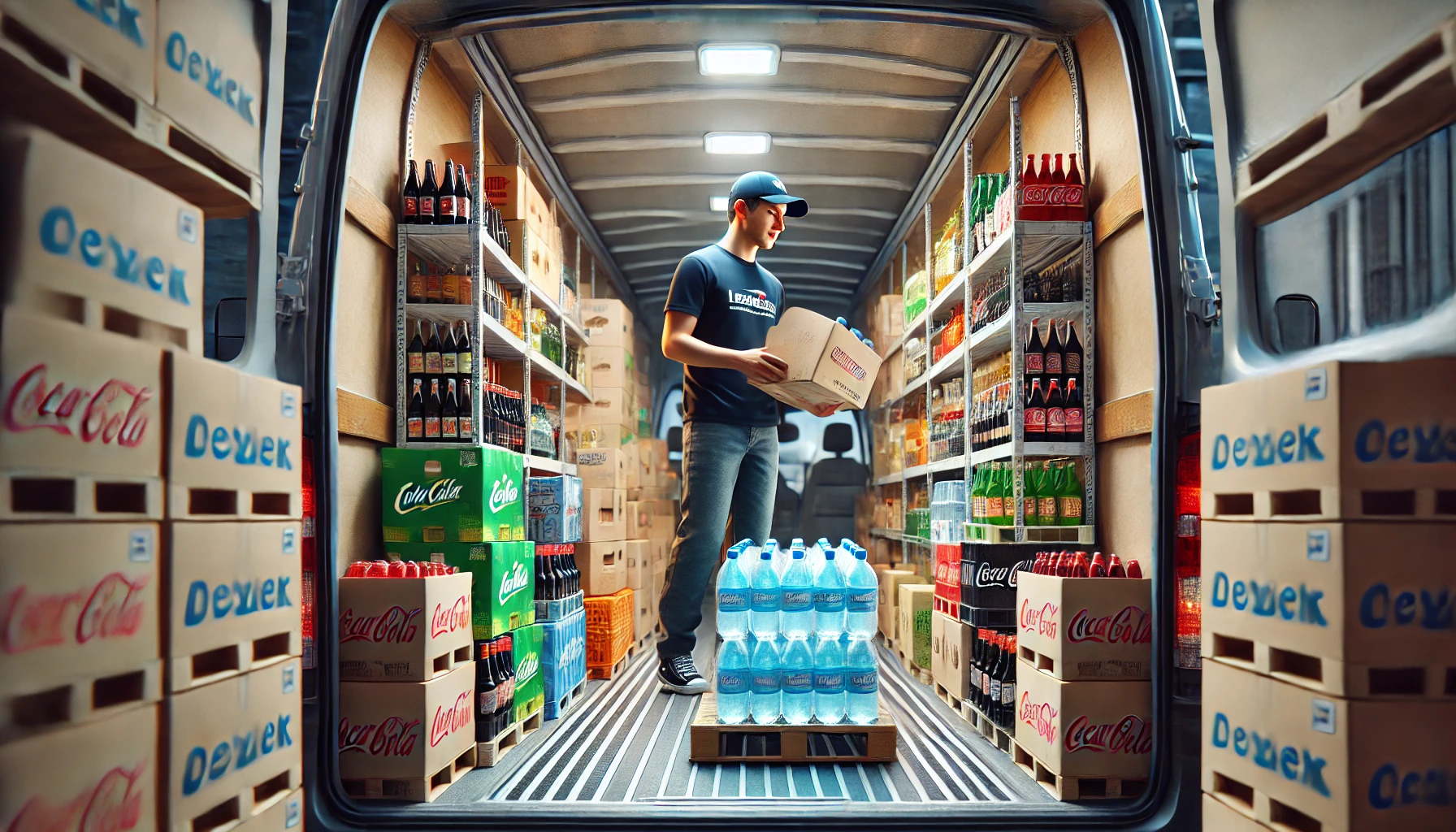

Rhode Island’s BEVERAGE DISTRIBUTORS
A Comprehensive Guide to Providence’s Beverage Market
Providence, the capital city of Rhode Island, is a vibrant, eclectic hub known for its thriving arts scene, rich history, and diverse culinary offerings. Over the past few years, the beverage market in Providence has seen substantial growth, with a surge in local craft breweries, small-batch distilleries, and an increasing focus on health-conscious drinks. This guide explores Providence’s beverage distribution landscape, highlighting key players, emerging trends, and strategies for success.
Overview of Providence’s Beverage Market
Providence’s beverage market is characterized by a unique mix of traditional and modern influences, from the city’s historic roots to its contemporary food and drink culture. The market is fueled by an abundance of local craft beverage producers, an active hospitality industry, and a growing demand for health-oriented drinks. Key categories in Providence’s beverage market include:
- Alcoholic Beverages: Providence has a flourishing craft beer scene, with several local breweries and distilleries producing exceptional beers, spirits, and ciders. The city’s emphasis on locally made products has made it a popular destination for craft beer enthusiasts.
- Non-Alcoholic Beverages: There is a rising interest in health-conscious drinks like kombucha, cold brew coffee, organic juices, and sparkling waters. As Providence residents embrace wellness trends, beverages that prioritize health and functionality are becoming increasingly popular.
- Specialty Beverages: Providence is home to a range of artisanal and niche drinks, including CBD-infused beverages, small-batch sodas, and high-quality teas. The city’s diverse consumer base is drawn to unique, locally made drinks that cater to specific tastes and dietary needs.
Key Beverage Distribution Channels
In Providence, beverage distributors utilize a variety of channels to reach their target audience:
- Retail: Liquor stores, specialty beverage shops, and supermarkets are key outlets for both alcoholic and non-alcoholic beverages in Providence. The city’s strong preference for local products means that many independent retailers showcase local breweries, distilleries, and beverage makers.
- Hospitality: With an ever-expanding food scene, Providence’s restaurants, bars, and hotels are central to beverage distribution. Areas like Federal Hill, the Jewelry District, and Downcity are known for their lively bar and restaurant scenes, where craft beers, premium spirits, and specialty non-alcoholic drinks are in high demand.
- Tourism and Events: As a destination for tourists, especially those visiting the city’s renowned waterfires and cultural events, Providence sees a boost in beverage sales during the busy summer months and throughout the year. Local festivals, such as the Providence Beer Festival, also create opportunities for distributors to showcase their products.
- E-Commerce and Direct Sales: Like other urban centers, Providence is embracing e-commerce as a way to expand beverage sales. Direct-to-consumer online ordering and delivery services provide an easy way for local and regional consumers to access their favorite beverages from the comfort of their homes.
Prominent Beverage Distributors in Providence
Providence boasts several prominent distributors and local beverage producers that shape the city’s market:
- Narragansett Brewing Company: As one of the state’s largest and most famous craft breweries, Narragansett Brewing Company has deep roots in Providence. Known for their lagers, IPAs, and seasonal offerings, they continue to be a major player in the city’s craft beer scene.
- Providence Distilling Company: A standout distillery, Providence Distilling Company produces a range of craft spirits, from rum to whiskey. Their products, which use locally sourced ingredients, align with the growing demand for small-batch, artisanal spirits.
- Proclamation Ale Company: Based just outside of Providence, Proclamation Ale Company is a favorite among craft beer lovers. Known for their creative beers, they cater to the city’s growing craft beer market with a variety of unique and flavorful offerings.
- Grey Sail Brewing Co.: Another important local brewery, Grey Sail Brewing offers a range of craft beers that are popular in Providence’s bars and restaurants. Their products reflect the state’s passion for well-crafted, locally produced beer.
- The Wine Shop: Specializing in wine distribution, The Wine Shop serves both retail and hospitality markets in Providence. They offer a diverse selection of international wines, which complements the city’s well-established food culture.
Challenges in Beverage Distribution
While Providence’s beverage market has seen growth, distributors still face a number of challenges:
- Regulatory Issues: Rhode Island has complex state-level alcohol distribution laws, which can create hurdles for both new and established distributors. Navigating these regulations, especially around licensing and direct sales, can be time-consuming and challenging.
- Competition: With a vibrant local craft beverage scene, Providence has a competitive market, particularly for beer and spirits. Distributors must differentiate their products and build strong relationships with retailers and consumers to stand out in this crowded space.
- Seasonal Demand: The city’s beverage market sees fluctuations in demand based on the seasons. Events like WaterFire or the summer tourism season bring a spike in demand for beverages, while colder months may result in slower sales. Distributors must plan for these shifts to maximize their reach and sales.
- Logistical Challenges: Distributors must also manage efficient delivery systems to serve both urban areas and more suburban neighborhoods around Providence. Effective distribution networks are crucial to ensuring timely and reliable service to retailers and consumers.
Emerging Trends in Providence’s Beverage Market
Several exciting trends are emerging in Providence’s beverage market:
- Craft Beer: Providence is continuing to see an explosion of craft breweries that cater to an increasingly discerning customer base. The trend for unique and locally produced beers is strong, with new breweries popping up to offer innovative beers and seasonal varieties.
- Health and Wellness: As the demand for healthier options rises, non-alcoholic drinks like kombucha, organic cold brews, and sparkling waters are becoming more popular in Providence. Consumers are seeking beverages that align with their health-conscious lifestyles.
- Sustainability: Sustainability is top of mind for many Providence consumers. Eco-friendly packaging, sustainable sourcing, and responsible production practices are becoming increasingly important. Beverage companies that emphasize green practices stand to gain consumer loyalty in this market.
- Ready-to-Drink Cocktails: In line with national trends, Providence has seen a rise in ready-to-drink cocktails. These beverages, which offer convenience without compromising on taste, are a growing category in the local market.
- CBD and Functional Beverages: The demand for functional beverages, including those infused with CBD and other wellness-focused ingredients, is on the rise. Providence consumers are exploring drinks that offer both relaxation and health benefits.
Strategies for Success
To succeed in Providence’s competitive and evolving beverage market, distributors should adopt the following strategies:
- Support Local Craft Producers: Building relationships with Providence’s growing number of local craft breweries and distilleries will help distributors differentiate themselves and meet consumer demand for locally made products.
- Capitalize on Providence’s Events: Events like the Providence Beer Festival and WaterFire offer distributors opportunities to showcase their products and increase brand visibility among both locals and tourists.
- Emphasize Sustainability: Providence consumers are increasingly prioritizing sustainable products. Distributors should consider offering eco-friendly packaging, partnering with local sustainability efforts, and ensuring responsible sourcing.
- Leverage E-Commerce: With the rise of online shopping, expanding your e-commerce presence can help you tap into a broader audience, particularly as Providence residents look for convenience and home delivery options.
- Cater to Health-Conscious Consumers: Non-alcoholic and functional beverages are growing in popularity. Distributors should focus on providing products that cater to health-conscious and wellness-driven consumers, such as organic juices, kombucha, and low-calorie alternatives.
The Role of Independent Retailers in Providence’s Beverage Market
Independent retailers in Providence play an essential role in the beverage distribution landscape:
- Support for Local Craft: Independent shops often prioritize local breweries and small-batch producers, providing a valuable platform for new and emerging beverage brands to reach their customers.
- Adaptation to Trends: Independent retailers are nimble and able to quickly adapt to trends, offering consumers unique products that may not be readily available in larger chain stores.
- Personalized Service: Independent retailers tend to offer a more personal shopping experience, providing recommendations and fostering relationships with their customers.
Providence, Rhode Island, offers an exciting and diverse market for beverage distributors. With a booming craft beer scene, increasing demand for non-alcoholic and health-conscious beverages, and a growing interest in sustainability, there are plenty of opportunities for distributors to succeed. By focusing on local partnerships, leveraging Providence’s event-driven economy, and embracing emerging trends, distributors can capitalize on the city’s dynamic beverage landscape. Whether it’s craft beer, ready-to-drink cocktails, or functional drinks, Providence’s beverage market is ripe for innovation and growth.
To get into a beverage distributor, you typically need to contact the sales representative of the distributor directly, present your business and sales plan, demonstrate a strong market presence and customer base, and comply with the distributor’s licensing and legal requirements; often, this involves having a valid retail license, a well-established business with a proven track record of selling beverages, and a clear understanding of the three-tier system in the beverage industry.
.
Steps to get into a beverage distributor:
- Research and identify distributors:
Find distributors in your area that align with your product type and target market.
- Contact the sales team:
Reach out to the sales representative of the distributor and schedule a meeting.
- Prepare a compelling presentation:
- Your business profile: Present details about your business, including your company history, ownership structure, and current customer base.
- Market analysis: Showcase your understanding of the local market, including demographics and competitor landscape.
- Sales strategy: Outline your plan for marketing and selling the products to your customer base.
- Financial information: Provide details about your financial stability and sales potential.
- Your business profile: Present details about your business, including your company history, ownership structure, and current customer base.
- Product knowledge:
Demonstrate in-depth knowledge about the beverage products you want to distribute, including their features, benefits, and pricing.
- Compliance with regulations:
Ensure you have all necessary licenses and permits to sell and distribute beverages in your area.
- Logistics and distribution plan:
Discuss your capabilities for storage, delivery, and managing inventory.
- Negotiate terms:
Discuss pricing, minimum order quantities, payment terms, and promotional support with the distributor.
Important considerations:
- Three-tier system:
Understand the three-tier system in the beverage industry, where producers sell to distributors, who then sell to retailers.
- Sales volume and market reach:
Distributors typically prioritize businesses with a proven track record of sales and a strong market presence.
- Customer base:
Highlight the customer types you serve and how your sales strategy will benefit the distributor.
- Brand reputation:If you are a new company, building a positive brand image can be crucial.