
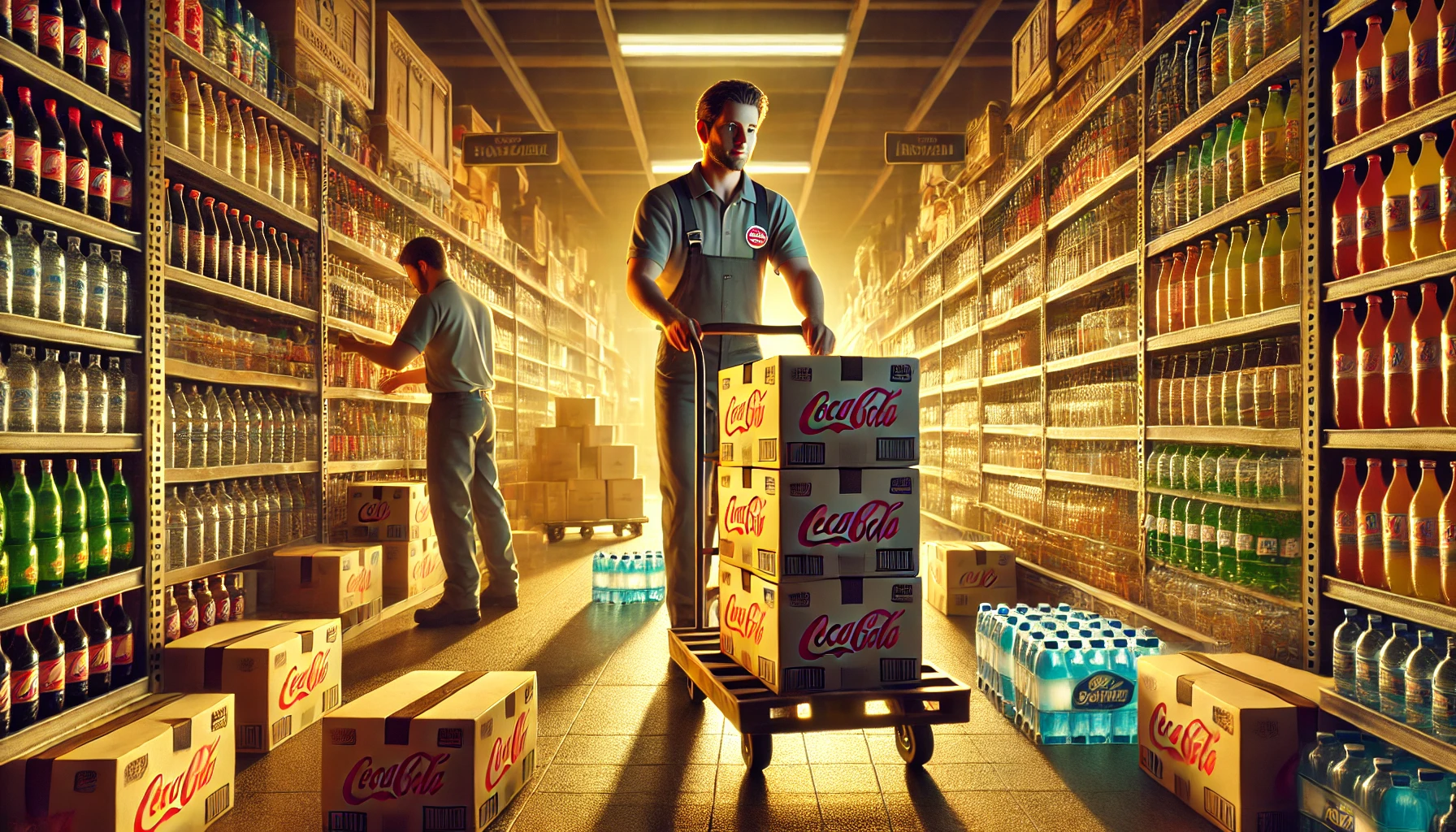

MICHIGAN’S BEVERAGE DISTRIBUTORS
A Comprehensive Guide to Michigan’s Beverage Market
Michigan, known for its Great Lakes, thriving cities, and rich agricultural landscape, is a growing hub for the beverage industry. With a strong craft beer presence, an emerging wine and spirits sector, and a consumer base that values sustainability and innovation, Michigan presents vast opportunities for beverage distributors. This article explores Michigan’s beverage distribution landscape, highlighting key players, emerging trends, and successful strategies.
Overview of Michigan’s Beverage Market
Michigan’s beverage market flourishes due to its diverse population, strong tourism sector, and commitment to supporting local businesses. Key categories in Michigan’s beverage market include:
- Alcoholic Beverages: Michigan is a leader in the craft beer industry, home to renowned breweries and an expanding craft distillery scene producing whiskey, vodka, gin, and rum.
- Non-Alcoholic Beverages: With a growing health-conscious consumer base, beverages like cold brews, kombucha, organic juices, and functional drinks are in high demand.
- Specialty Beverages: Locally sourced and unique beverages, including CBD-infused drinks, premium teas, and artisanal sodas, are gaining popularity across the state.
Key Beverage Distribution Channels
Beverage distributors in Michigan utilize various channels to reach a broad market. Key distribution channels include:
- Retail: Liquor stores, supermarkets, and specialty beverage shops play a crucial role in the sale of alcoholic and non-alcoholic beverages.
- Hospitality: Restaurants, bars, and hotels in cities like Detroit, Grand Rapids, and Ann Arbor drive demand for craft beverages and premium drinks.
- Tourism and Events: Michigan’s vibrant tourism industry, including the Traverse City Wine & Art Festival and the Detroit Beer Festival, creates significant demand for beverages.
- E-Commerce and Direct Sales: Online sales and home delivery services are expanding, allowing consumers greater access to their favorite beverages.
Prominent Beverage Distributors in Michigan
Michigan’s beverage market is supported by several key distributors:
- Founders Brewing Co.: One of Michigan’s most well-known breweries, Founders is recognized for its innovative craft beers.
- Bell’s Brewery: A pioneer in the Michigan craft beer scene, Bell’s Brewery produces popular brews such as Two Hearted Ale.
- Detroit City Distillery: A prominent distillery crafting high-quality spirits using locally sourced ingredients.
- Cherry Republic: Specializing in cherry-based wines and sodas, Cherry Republic represents the flavors of Northern Michigan.
- Great Lakes Coffee Roasting Co.: A staple in Michigan’s coffee scene, offering specialty coffees to cafes and restaurants across the state.
Challenges in Beverage Distribution
Beverage distributors in Michigan must navigate several challenges unique to the state’s market:
- Regulatory Complexity: Michigan’s liquor laws and three-tier distribution system create challenges for new and smaller distributors.
- Competitive Market: With a strong local beverage industry, distributors must compete with both regional and national brands.
- Logistical Challenges: Serving both urban and rural areas requires efficient logistics and distribution planning.
- Seasonal Demand Variations: Michigan experiences seasonal fluctuations, with increased demand during the summer and special events like the National Cherry Festival and Detroit Auto Show.
Emerging Trends in Michigan’s Beverage Market
Michigan’s beverage market continues to evolve, with key trends shaping its future:
- Craft Beer Growth: The state remains a hub for craft beer innovation, with new breweries constantly emerging.
- Health and Wellness Beverages: Functional drinks such as kombucha, organic juices, and probiotic beverages are gaining traction.
- Sustainability Initiatives: Eco-friendly packaging and sustainable sourcing practices are increasingly important to Michigan consumers.
- Ready-to-Drink Cocktails: Canned cocktails made with local spirits are rising in popularity due to convenience and quality.
- Low-Alcohol and Hard Seltzers: The demand for refreshing, lower-calorie alcoholic beverages continues to grow.
Strategies for Success
To thrive in Michigan’s competitive beverage market, distributors should focus on the following strategies:
- Support Local Producers: Partnering with local breweries, wineries, and distilleries can help meet the growing demand for locally made products.
- Leverage Major Events: Capitalizing on Michigan’s numerous festivals, sporting events, and concerts can drive sales and brand awareness.
- Invest in E-Commerce: Expanding online sales channels can increase accessibility and customer reach.
- Promote Sustainability: Highlighting eco-friendly packaging and sustainable practices can attract environmentally conscious consumers.
- Cater to Health-Conscious Consumers: Offering functional and wellness-driven beverages aligns with shifting consumer preferences.
The Role of Independent Retailers in Michigan’s Beverage Market
Independent retailers play a crucial role in Michigan’s beverage distribution landscape:
- Support for Local Brands: Small, independent shops help showcase Michigan-made beverages, fostering community loyalty.
- Adaptability to Trends: Independent retailers can quickly adjust to emerging beverage trends, providing diverse options to consumers.
- Personalized Customer Experience: Independent stores often offer unique selections and personalized service, strengthening customer relationships.
Michigan’s beverage market is a dynamic and competitive industry, offering significant growth potential driven by the popularity of craft and locally produced beverages. By forming partnerships with local producers, expanding e-commerce efforts, and focusing on sustainability and health-conscious trends, beverage distributors can succeed in this vibrant market. Whether tapping into seasonal events, supporting sustainable practices, or embracing emerging consumer trends, Michigan presents excellent opportunities for beverage distributors to thrive.
To get into a beverage distributor, you typically need to contact the sales representative of the distributor directly, present your business and sales plan, demonstrate a strong market presence and customer base, and comply with the distributor’s licensing and legal requirements; often, this involves having a valid retail license, a well-established business with a proven track record of selling beverages, and a clear understanding of the three-tier system in the beverage industry.
.
Steps to get into a beverage distributor:
- Research and identify distributors:
Find distributors in your area that align with your product type and target market.
- Contact the sales team:
Reach out to the sales representative of the distributor and schedule a meeting.
- Prepare a compelling presentation:
- Your business profile: Present details about your business, including your company history, ownership structure, and current customer base.
- Market analysis: Showcase your understanding of the local market, including demographics and competitor landscape.
- Sales strategy: Outline your plan for marketing and selling the products to your customer base.
- Financial information: Provide details about your financial stability and sales potential.
- Your business profile: Present details about your business, including your company history, ownership structure, and current customer base.
- Product knowledge:
Demonstrate in-depth knowledge about the beverage products you want to distribute, including their features, benefits, and pricing.
- Compliance with regulations:
Ensure you have all necessary licenses and permits to sell and distribute beverages in your area.
- Logistics and distribution plan:
Discuss your capabilities for storage, delivery, and managing inventory.
- Negotiate terms:
Discuss pricing, minimum order quantities, payment terms, and promotional support with the distributor.
Important considerations:
- Three-tier system:
Understand the three-tier system in the beverage industry, where producers sell to distributors, who then sell to retailers.
- Sales volume and market reach:
Distributors typically prioritize businesses with a proven track record of sales and a strong market presence.
- Customer base:
Highlight the customer types you serve and how your sales strategy will benefit the distributor.
- Brand reputation:If you are a new company, building a positive brand image can be crucial.