
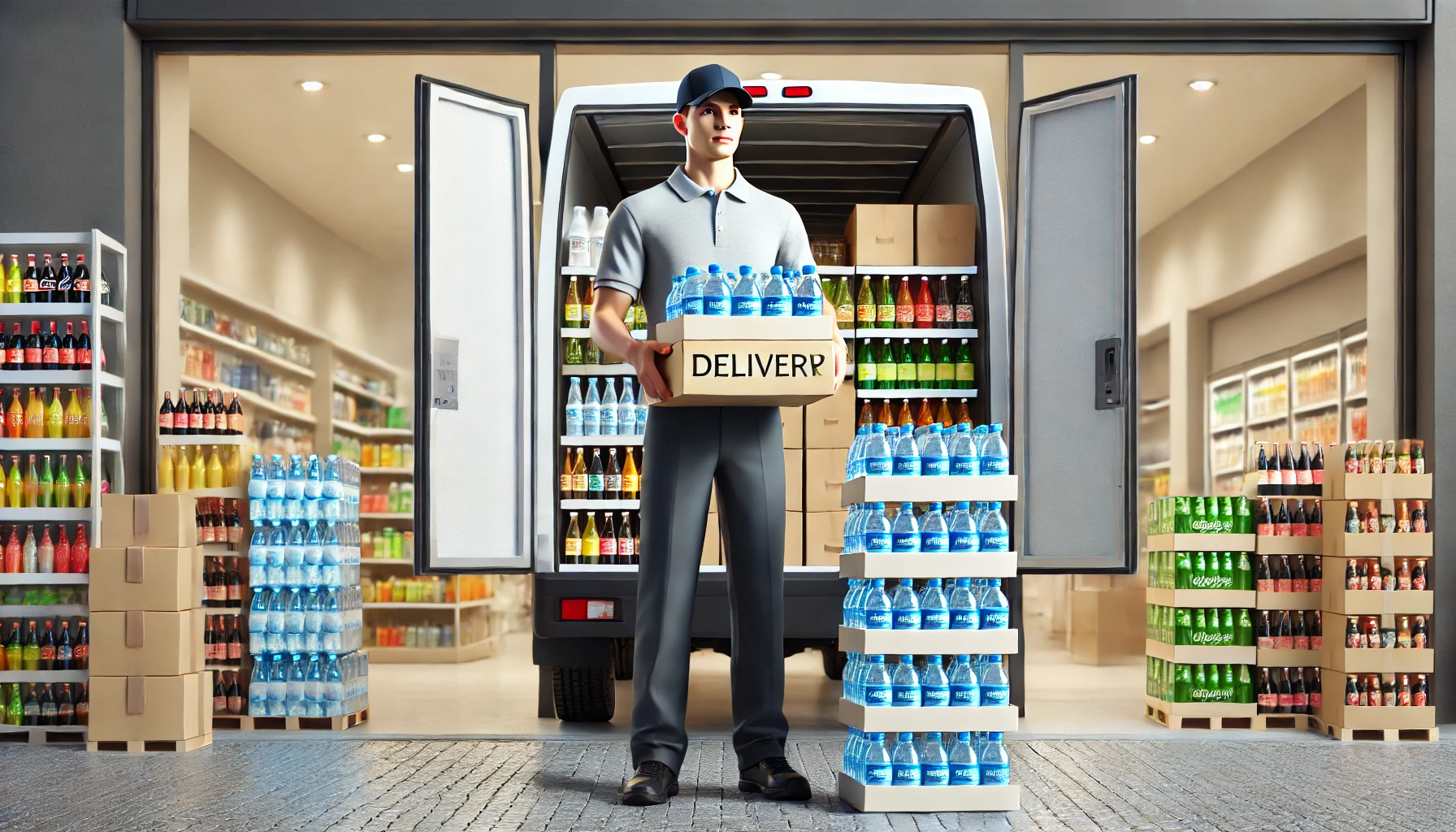

Maine Beverage Distributors
A Comprehensive Guide to the Pine Tree State’s Beverage Market
Maine, known for its breathtaking coastline, vibrant local food culture, and strong craft beverage scene, presents a thriving opportunity for beverage distributors. With a population that values quality, sustainability, and local craftsmanship, Maine’s beverage market is one of the most promising in New England. This article explores the beverage distribution landscape in Maine, highlighting key players, market trends, and strategies for success.
Overview of Maine’s Beverage Market
Maine’s beverage market is deeply influenced by its natural resources, tourism industry, and growing local food and drink movement. Key categories include:
- Alcoholic Beverages: Maine’s craft beer industry is booming, along with a rising demand for locally produced wines, ciders, and spirits.
- Non-Alcoholic Beverages: Specialty coffees, herbal teas, and sparkling waters resonate with the state’s eco-conscious and health-oriented population.
- Specialty Beverages: Locally sourced juices, kombuchas, and botanical-infused drinks are increasingly popular.
Key Beverage Distribution Channels
Beverage distributors in Maine utilize various channels to meet the state’s diverse demand:
- Retail: Grocery stores, co-ops, and specialty markets play a major role in beverage sales.
- Hospitality: Restaurants, bars, and cafes cater to Maine’s food-focused and tourism-driven economy.
- Local Events and Farmers’ Markets: Festivals, fairs, and farmers’ markets offer unique opportunities for beverage distribution.
- E-Commerce: Online beverage sales and direct-to-consumer models are growing in popularity, particularly for niche and craft beverages.
Prominent Beverage Distributors in Maine
Maine’s beverage market benefits from a mix of national, regional, and independent distributors:
- Pine State Beverage: A leading distributor of beer, wine, spirits, and non-alcoholic beverages in Maine.
- Allagash Brewing Company: One of Maine’s most well-known breweries, specializing in Belgian-style craft beers.
- Maine Beer Company: A highly regarded craft brewery known for its sustainability efforts and high-quality products.
- Ricker Hill Orchards: A prominent cider producer using locally grown apples.
- Coffee By Design: A Maine-based coffee roaster specializing in ethically sourced and locally roasted coffee.
Challenges in Beverage Distribution
Distributors in Maine face several challenges unique to the state’s market:
- Seasonal Demand: Tourism drives fluctuating demand, with peaks in the summer and slower winter months.
- Logistics and Geography: Distributing across Maine’s rural communities, coastal towns, and islands requires efficient supply chain management.
- Regulatory Compliance: Maine’s strict liquor laws and alcohol distribution regulations require careful navigation.
- Sustainability Expectations: Consumers prioritize eco-friendly packaging and sustainable sourcing, which can impact production and distribution costs.
Emerging Trends in Maine’s Beverage Market
- Sustainability and Local Sourcing: Maine consumers prefer beverages made with local, organic, and sustainably sourced ingredients.
- Craft Beer and Cider Boom: Maine’s craft beverage scene continues to expand, with small breweries and cider houses attracting national attention.
- Functional and Health-Conscious Drinks: Kombucha, probiotic drinks, and adaptogenic beverages are growing in popularity.
- Ready-to-Drink Cocktails: Canned cocktails and pre-mixed spirits are seeing strong demand.
- Hard Seltzers and Low-Alcohol Options: Consumers are gravitating toward lighter, more refreshing beverage choices.
Strategies for Success
To excel in Maine’s competitive beverage market, distributors should:
- Prioritize Local Partnerships: Work closely with Maine-based breweries, cideries, wineries, and coffee roasters.
- Expand Distribution Networks: Develop strong logistics solutions to reach both urban centers like Portland and more remote communities.
- Leverage Tourism and Seasonal Events: Build strategic marketing efforts around peak tourism seasons and major local festivals.
- Highlight Sustainability Efforts: Promote eco-conscious packaging and responsible sourcing to appeal to Maine’s environmentally aware consumers.
- Strengthen E-Commerce Presence: Optimize online sales and direct-to-consumer distribution models for craft and specialty beverages.
The Role of Independent Retailers
Independent retailers are key players in Maine’s beverage market. They provide:
- A Platform for Local Brands: Featuring Maine-made beverages fosters community support and loyalty.
- Adaptability to Trends: Small retailers can quickly introduce emerging beverage trends and niche products.
- Personalized Customer Experience: Engaging customers with knowledgeable recommendations enhances brand loyalty.
Maine’s beverage market is a thriving blend of tradition, sustainability, and innovation. By supporting local producers, capitalizing on the state’s strong tourism industry, and focusing on eco-conscious and health-driven consumer trends, beverage distributors can succeed in the Pine Tree State’s dynamic and evolving industry.
To get into a beverage distributor, you typically need to contact the sales representative of the distributor directly, present your business and sales plan, demonstrate a strong market presence and customer base, and comply with the distributor’s licensing and legal requirements; often, this involves having a valid retail license, a well-established business with a proven track record of selling beverages, and a clear understanding of the three-tier system in the beverage industry.
.
Steps to get into a beverage distributor:
- Research and identify distributors:
Find distributors in your area that align with your product type and target market.
- Contact the sales team:
Reach out to the sales representative of the distributor and schedule a meeting.
- Prepare a compelling presentation:
- Your business profile: Present details about your business, including your company history, ownership structure, and current customer base.
- Market analysis: Showcase your understanding of the local market, including demographics and competitor landscape.
- Sales strategy: Outline your plan for marketing and selling the products to your customer base.
- Financial information: Provide details about your financial stability and sales potential.
- Your business profile: Present details about your business, including your company history, ownership structure, and current customer base.
- Product knowledge:
Demonstrate in-depth knowledge about the beverage products you want to distribute, including their features, benefits, and pricing.
- Compliance with regulations:
Ensure you have all necessary licenses and permits to sell and distribute beverages in your area.
- Logistics and distribution plan:
Discuss your capabilities for storage, delivery, and managing inventory.
- Negotiate terms:
Discuss pricing, minimum order quantities, payment terms, and promotional support with the distributor.
Important considerations:
- Three-tier system:
Understand the three-tier system in the beverage industry, where producers sell to distributors, who then sell to retailers.
- Sales volume and market reach:
Distributors typically prioritize businesses with a proven track record of sales and a strong market presence.
- Customer base:
Highlight the customer types you serve and how your sales strategy will benefit the distributor.
- Brand reputation:If you are a new company, building a positive brand image can be crucial.