
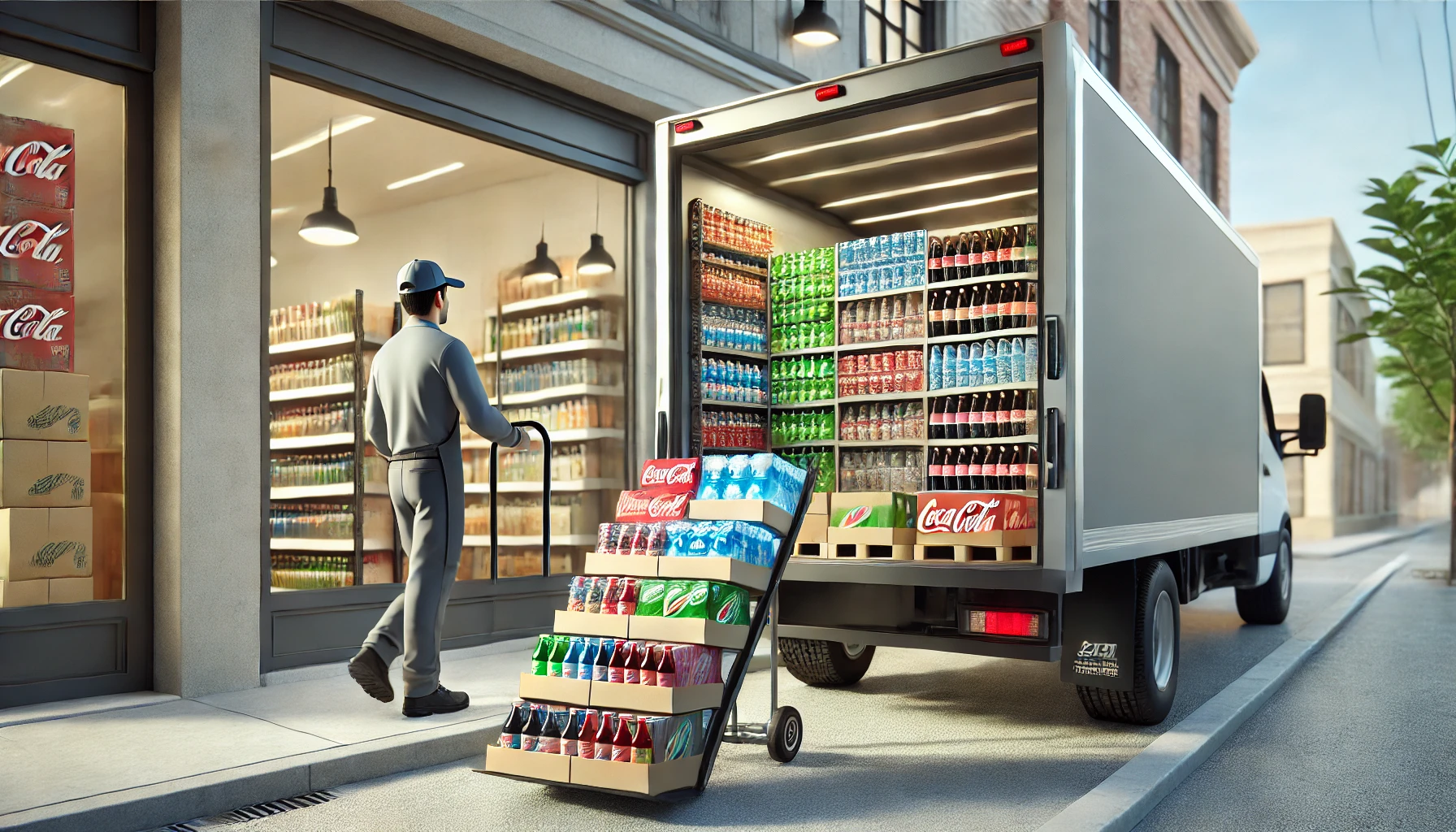

LOS ANGELES BEVERAGE DISTRIBUTORS
A COMPREHENSIVE GUIDE TO THE HEART OF CALIFORNIA’S BEVERAGE MARKET
Los Angeles, the entertainment capital of the world, is a bustling metropolis known for its cultural diversity, iconic landmarks, and thriving economy. Beyond its glitz and glamour, Los Angeles serves as a major hub for the beverage industry, offering unparalleled opportunities for distributors in one of the most dynamic markets in the United States.
Los Angeles’ Beverage Market
Los Angeles’s beverage market thrives on the city’s vast population, diverse tastes, and trendsetting culture. Key categories in this market include:
- Alcoholic Beverages: The demand for craft cocktails, fine wines, and artisanal spirits is fueled by L.A.’s vibrant nightlife and upscale dining scene.
- Non-Alcoholic Beverages: Cold-pressed juices, premium teas, and functional beverages are popular among the city’s health-conscious residents.
- Specialty Beverages: Plant-based milk, kombuchas, and wellness drinks are staples, reflecting the city’s focus on innovation and sustainability.
Key Beverage Distribution Channels in Los Angeles
Beverage distributors in Los Angeles rely on a variety of channels to cater to the city’s eclectic consumer base:
- Hospitality and Tourism: L.A.’s hotels, bars, and restaurants serve millions of tourists and locals every year.
- Retail: From high-end supermarkets to local bodegas, retail outlets play a critical role in beverage sales.
- Entertainment Venues: Concerts, film premieres, and sports events create high-demand opportunities.
- E-Commerce: Online platforms cater to busy residents looking for convenience and specialty products.
Prominent Distributors in Los Angeles
Los Angeles is home to a mix of national and local distributors, meeting the city’s diverse needs:
- Southern Glazer’s Wine & Spirits: A leading distributor of wines and spirits across Southern California.
- Reed’s Inc.: Specializes in craft sodas, ginger beers, and natural beverages.
- Haralambos Beverage Co.: Focuses on non-alcoholic and specialty beverage distribution.
Challenges in Los Angeles’ Beverage Market
- Intense Competition: The city’s large market attracts numerous distributors, making differentiation key.
- Logistics and Traffic: Efficient delivery in L.A.’s sprawling and congested metropolitan area is a major challenge.
- Diverse Preferences: Catering to a wide range of tastes and dietary needs requires a diverse product portfolio.
Emerging Trends in Los Angeles’ Beverage Market
- Health and Wellness: The rise of functional beverages, including adaptogenic drinks, probiotic sodas, and low-calorie options, reflects L.A.’s health-focused lifestyle.
- Sustainability: Eco-conscious consumers prioritize recyclable and biodegradable packaging.
- Craft Beverages: Local breweries, distilleries, and wineries are experiencing growing demand.
- Global Flavors: L.A.’s multicultural population drives interest in beverages with international appeal.
Strategies for Success in Los Angeles
To thrive in Los Angeles’ competitive beverage market, distributors should:
- Leverage Local Trends: Stay ahead of emerging trends by monitoring the city’s ever-evolving food and beverage scene.
- Invest in Logistics: Use technology and efficient routing to overcome traffic and delivery challenges.
- Support Local Brands: Collaborate with L.A.-based producers to resonate with the community.
- Expand E-Commerce Presence: Strengthen online sales to reach tech-savvy and convenience-oriented consumers.
- Engage with Events: Build brand visibility by partnering with entertainment venues and cultural festivals.
The Role of Independent Retailers in Los Angeles
Independent retailers are indispensable to L.A.’s beverage market:
- Adaptability: They quickly embrace new trends and niche products.
- Support for Local and Artisanal Brands: Independent shops often showcase unique beverages from local producers.
- Community Engagement: Strong neighborhood ties foster loyalty and repeat business.
Los Angeles’ beverage market is a vibrant ecosystem of innovation, culture, and opportunity. By aligning with emerging trends, building strategic partnerships, and leveraging the city’s global influence, beverage distributors can thrive in this dynamic and trendsetting metropolis.
To get into a beverage distributor, you typically need to contact the sales representative of the distributor directly, present your business and sales plan, demonstrate a strong market presence and customer base, and comply with the distributor’s licensing and legal requirements; often, this involves having a valid retail license, a well-established business with a proven track record of selling beverages, and a clear understanding of the three-tier system in the beverage industry.
.
Steps to get into a beverage distributor:
- Research and identify distributors:
Find distributors in your area that align with your product type and target market.
- Contact the sales team:
Reach out to the sales representative of the distributor and schedule a meeting.
- Prepare a compelling presentation:
- Your business profile: Present details about your business, including your company history, ownership structure, and current customer base.
- Market analysis: Showcase your understanding of the local market, including demographics and competitor landscape.
- Sales strategy: Outline your plan for marketing and selling the products to your customer base.
- Financial information: Provide details about your financial stability and sales potential.
- Your business profile: Present details about your business, including your company history, ownership structure, and current customer base.
- Product knowledge:
Demonstrate in-depth knowledge about the beverage products you want to distribute, including their features, benefits, and pricing.
- Compliance with regulations:
Ensure you have all necessary licenses and permits to sell and distribute beverages in your area.
- Logistics and distribution plan:
Discuss your capabilities for storage, delivery, and managing inventory.
- Negotiate terms:
Discuss pricing, minimum order quantities, payment terms, and promotional support with the distributor.
Important considerations:
- Three-tier system:
Understand the three-tier system in the beverage industry, where producers sell to distributors, who then sell to retailers.
- Sales volume and market reach:
Distributors typically prioritize businesses with a proven track record of sales and a strong market presence.
- Customer base:
Highlight the customer types you serve and how your sales strategy will benefit the distributor.
- Brand reputation:If you are a new company, building a positive brand image can be crucial.