

South Carolina’s BEVERAGE DISTRIBUTORS
A Comprehensive Guide to Columbia’s Beverage Market
Columbia, South Carolina, the state’s capital and largest city, is a growing hub for a diverse and dynamic beverage market. Known for its historic charm, vibrant arts scene, and burgeoning food culture, Columbia is also becoming a key player in the state’s craft beverage scene. Whether it’s craft beer, artisanal spirits, or non-alcoholic beverages, Columbia offers ample opportunities for distributors looking to tap into the city’s evolving market. This guide explores Columbia’s beverage distribution landscape, highlighting key players, emerging trends, and strategies for success.
Overview of Columbia’s Beverage Market
Columbia’s beverage market is defined by its blend of tradition and modernity, with a growing demand for craft beverages and sustainable options. The city’s beverage scene is marked by a combination of locally made products, regional favorites, and an increasing focus on health-conscious choices. Key categories in Columbia’s beverage market include:
- Alcoholic Beverages: Columbia’s craft beer scene has flourished in recent years, with several local breweries producing a variety of beer styles. Distilleries are also gaining popularity, with local spirits such as gin, rum, bourbon, and vodka becoming increasingly sought after by residents and visitors alike.
- Non-Alcoholic Beverages: Health trends are driving the demand for functional, low-sugar, and non-alcoholic beverages. Options like kombucha, cold brew coffee, organic juices, and sparkling waters are becoming staples in the market, catering to a health-conscious and wellness-focused population.
- Specialty Beverages: Columbia’s beverage market also includes specialty drinks such as small-batch sodas, craft mixers, and artisanal teas. Locally sourced ingredients and unique flavors help define this category, giving the city a distinct edge in the beverage industry.
Key Beverage Distribution Channels
Distributors in Columbia utilize a variety of channels to meet the demands of local residents, tourists, and businesses. The key distribution channels include:
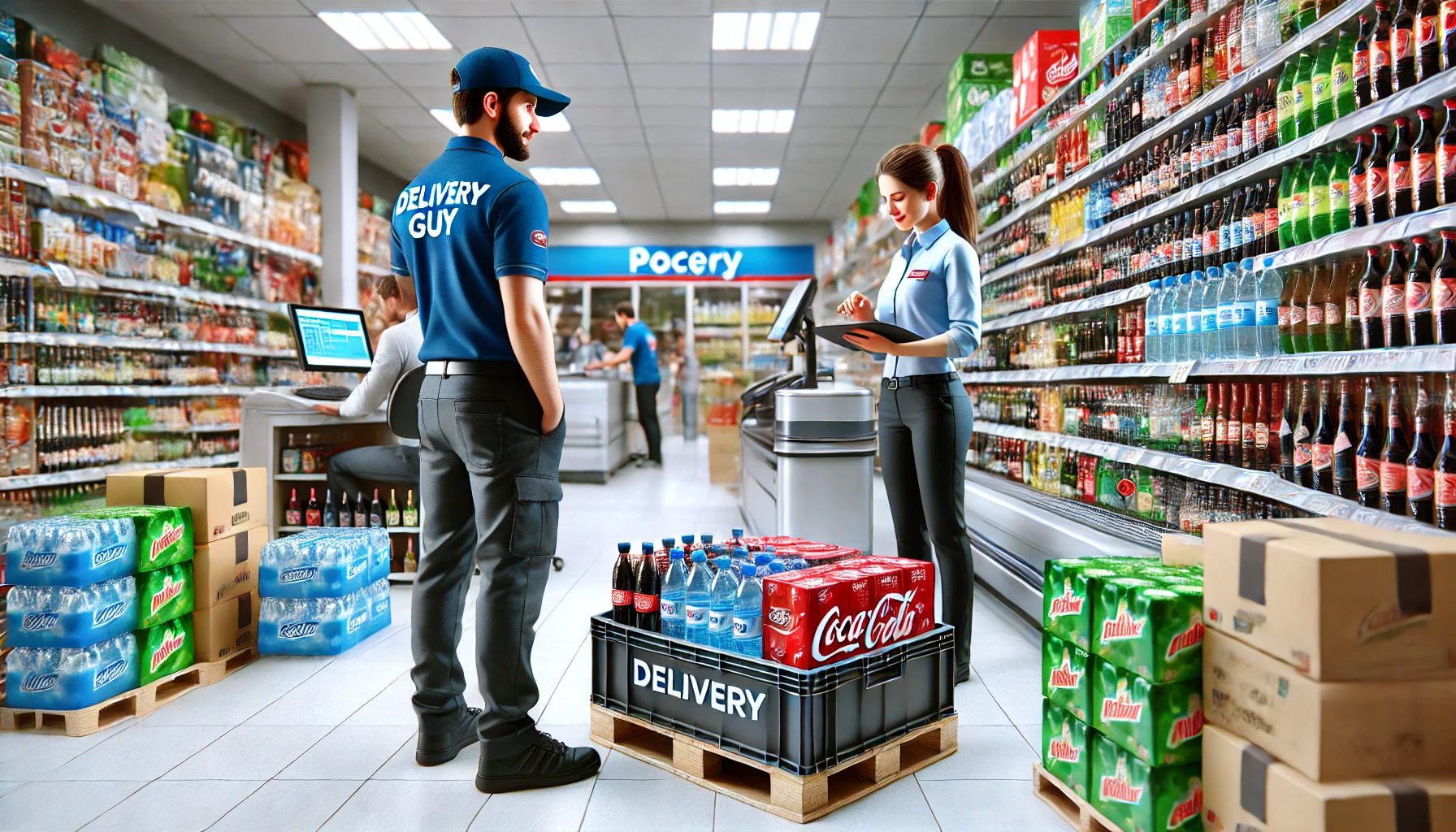
- Retail: Grocery stores, liquor stores, specialty beverage shops, and convenience stores are central to beverage distribution in Columbia. These retail outlets often prioritize locally made products, especially craft beers and small-batch spirits, in response to consumer demand for regional offerings.
- Hospitality: The restaurant, bar, and hotel scene in Columbia is thriving, with establishments throughout the city serving a diverse range of craft beers, cocktails, and spirits. Popular areas like the Vista and Five Points are prime locations for beverage sales, with consumers seeking both classic and innovative drink options.
- Tourism and Events: Columbia is a popular destination for visitors, particularly those exploring its historic sites, outdoor attractions, and cultural festivals. Beverage distributors can take advantage of events such as the South Carolina State Fair, the Columbia Food & Wine Festival, and the Riverbanks Zoo & Garden’s events to increase exposure for local products.
- E-Commerce and Direct Sales: As with many other cities, Columbia residents are increasingly purchasing beverages online, making e-commerce a growing avenue for beverage distribution. Online retailers and direct-to-consumer sales platforms allow consumers to conveniently access a variety of drinks, especially local craft options, without leaving home.
Prominent Beverage Distributors in Columbia
Columbia’s beverage market is supported by several key distributors that shape the local landscape:
- Columbia Craft Brewing Co.: One of Columbia’s premier craft breweries, Columbia Craft Brewing Co. offers a wide range of beers, including IPAs, stouts, and lagers. Known for its focus on high-quality, locally sourced ingredients, this brewery has become a beloved institution in the city’s beverage scene.
- The Old Mill Brewpub: Located in the historic district, The Old Mill Brewpub combines a rich history with a contemporary craft beer experience. The brewpub offers a rotating selection of house-brewed beers alongside a selection of regional and national brews, becoming a key player in Columbia’s craft beer movement.
- Carolina Distillery: Known for producing premium, small-batch spirits, Carolina Distillery is a key player in Columbia’s spirits market. Their signature products include handcrafted rum, whiskey, and moonshine, and they are proud to showcase South Carolina’s rich distilling heritage.
- Savannah River Brewing Company: While based in Augusta, Georgia, Savannah River Brewing Company’s products are widely available in Columbia. Their emphasis on flavorful, creative beers has garnered a loyal following among beer enthusiasts in the region.
- Palmetto Distillery: Based in nearby Anderson, Palmetto Distillery produces craft spirits with an emphasis on Southern flavors. Their portfolio includes whiskey, rum, and vodka, which are distributed throughout Columbia and South Carolina.
Challenges in Beverage Distribution
Beverage distributors in Columbia face several challenges that are unique to the city and its market:
- Regulatory Complexity: South Carolina’s alcohol laws are relatively restrictive, particularly when it comes to the distribution of spirits. Navigating the licensing process, meeting legal requirements, and dealing with restrictions on sales can be difficult for new and smaller distributors.
- Competition: With the growth of the craft beverage scene, competition in Columbia’s market is intensifying. Both local and national brands are vying for attention, and distributors must find innovative ways to stand out, whether through unique offerings or effective partnerships with retailers and restaurants.
- Seasonal Demand: Columbia experiences fluctuating demand for beverages, particularly with the influx of tourists during the warmer months. Distributors must plan accordingly to meet the needs of both seasonal tourists and year-round residents, adjusting inventory levels to match demand.
- Logistics: Efficient distribution can be challenging, especially when serving both the urban core and more rural areas. Distributors need to ensure they have a reliable supply chain to keep up with demand and avoid stockouts.
Emerging Trends in Columbia’s Beverage Market
Columbia’s beverage market is evolving, and several trends are becoming more pronounced:
- Craft Beer: The craft beer scene continues to grow, with new breweries regularly opening their doors to offer unique, locally brewed beers. Columbia’s residents enjoy experimenting with different beer styles, and many breweries focus on South Carolina-grown ingredients and flavors.
- Health-Conscious Beverages: Health-conscious living is a growing trend in Columbia, which has led to a rise in demand for beverages like kombucha, organic cold brews, and functional drinks such as probiotic sodas and CBD-infused beverages. Consumers are increasingly looking for drinks that offer wellness benefits.
- Sustainability: As consumers become more environmentally conscious, Columbia’s beverage market is embracing sustainability. Eco-friendly packaging, responsibly sourced ingredients, and a focus on reducing waste are all gaining traction among consumers who value environmental responsibility.
- Ready-to-Drink (RTD) Cocktails: As consumer demand for convenience continues to grow, ready-to-drink cocktails are becoming more popular in Columbia. These pre-made drinks offer a quick and easy option for consumers looking for quality cocktails without the hassle of preparation.
- Low-Alcohol and Hard Seltzers: Low-alcohol beverages and hard seltzers are gaining popularity as more consumers seek out light, refreshing options. These beverages are particularly favored during the hot South Carolina summers, when people are looking for lower-calorie alternatives.
Strategies for Success
To thrive in Columbia’s competitive beverage market, distributors should consider the following strategies:
- Support Local Producers: Partnering with local breweries, distilleries, and other beverage producers will help distributors tap into the growing demand for South Carolina-made products. Highlighting the unique flavors of the state will resonate with Columbia’s residents and tourists.
- Leverage Events: Columbia’s many food, drink, and cultural events are a great way to showcase beverages. Distributors should take advantage of these opportunities to introduce their products to a large audience and build brand awareness.
- Expand E-Commerce: As online shopping continues to grow, expanding e-commerce capabilities and offering home delivery can help distributors reach a broader customer base. This is especially beneficial for local craft beers and spirits that consumers may not easily find at local stores.
- Focus on Health Trends: With health-consciousness on the rise, distributors should offer products that cater to wellness-focused consumers. Non-alcoholic beverages like kombucha, organic juices, and functional drinks are highly popular in the current market.
- Emphasize Sustainability: Consumers in Columbia are becoming more environmentally conscious, making sustainability a crucial factor for success. Distributors should prioritize eco-friendly packaging and sustainable sourcing to appeal to this growing demographic.
The Role of Independent Retailers in Columbia’s Beverage Market
Independent retailers are vital to Columbia’s beverage distribution landscape:
- Supporting Local Brands: Independent retailers provide an important platform for local beverage producers. These shops are more likely to carry locally crafted beers and spirits, strengthening the connection between the community and its beverage makers.
- Flexibility to Adapt: Independent retailers are often more agile when it comes to embracing new trends. This flexibility allows them to cater to evolving consumer preferences, such as the growing demand for functional beverages, non-alcoholic options, and sustainable products.
- Customer Experience: Independent retailers offer a more personalized shopping experience, which helps foster loyal customer relationships. In Columbia, where community ties are strong, these retailers play a crucial role in building a trusted and welcoming environment for consumers.
Columbia, South Carolina, offers a unique and evolving beverage market with a growing demand for locally produced craft beverages, non-alcoholic drinks, and functional options. With a strong tourism industry, a focus on sustainability, and a shift toward health-conscious living, there are plenty of opportunities for distributors to succeed in this dynamic city. By partnering with local producers, taking advantage of popular events, expanding e-commerce efforts, and embracing emerging trends, beverage distributors can capitalize on the potential that Columbia’s market offers. Whether catering to craft beer enthusiasts, health-focused consumers, or the increasing demand for sustainable options, Columbia presents a vibrant and competitive environment for beverage distribution.
To get into a beverage distributor, you typically need to contact the sales representative of the distributor directly, present your business and sales plan, demonstrate a strong market presence and customer base, and comply with the distributor’s licensing and legal requirements; often, this involves having a valid retail license, a well-established business with a proven track record of selling beverages, and a clear understanding of the three-tier system in the beverage industry.
.
Steps to get into a beverage distributor:
- Research and identify distributors:
Find distributors in your area that align with your product type and target market.
- Contact the sales team:
Reach out to the sales representative of the distributor and schedule a meeting.
- Prepare a compelling presentation:
- Your business profile: Present details about your business, including your company history, ownership structure, and current customer base.
- Market analysis: Showcase your understanding of the local market, including demographics and competitor landscape.
- Sales strategy: Outline your plan for marketing and selling the products to your customer base.
- Financial information: Provide details about your financial stability and sales potential.
- Your business profile: Present details about your business, including your company history, ownership structure, and current customer base.
- Product knowledge:
Demonstrate in-depth knowledge about the beverage products you want to distribute, including their features, benefits, and pricing.
- Compliance with regulations:
Ensure you have all necessary licenses and permits to sell and distribute beverages in your area.
- Logistics and distribution plan:
Discuss your capabilities for storage, delivery, and managing inventory.
- Negotiate terms:
Discuss pricing, minimum order quantities, payment terms, and promotional support with the distributor.
Important considerations:
- Three-tier system:
Understand the three-tier system in the beverage industry, where producers sell to distributors, who then sell to retailers.
- Sales volume and market reach:
Distributors typically prioritize businesses with a proven track record of sales and a strong market presence.
- Customer base:
Highlight the customer types you serve and how your sales strategy will benefit the distributor.
- Brand reputation:If you are a new company, building a positive brand image can be crucial.