
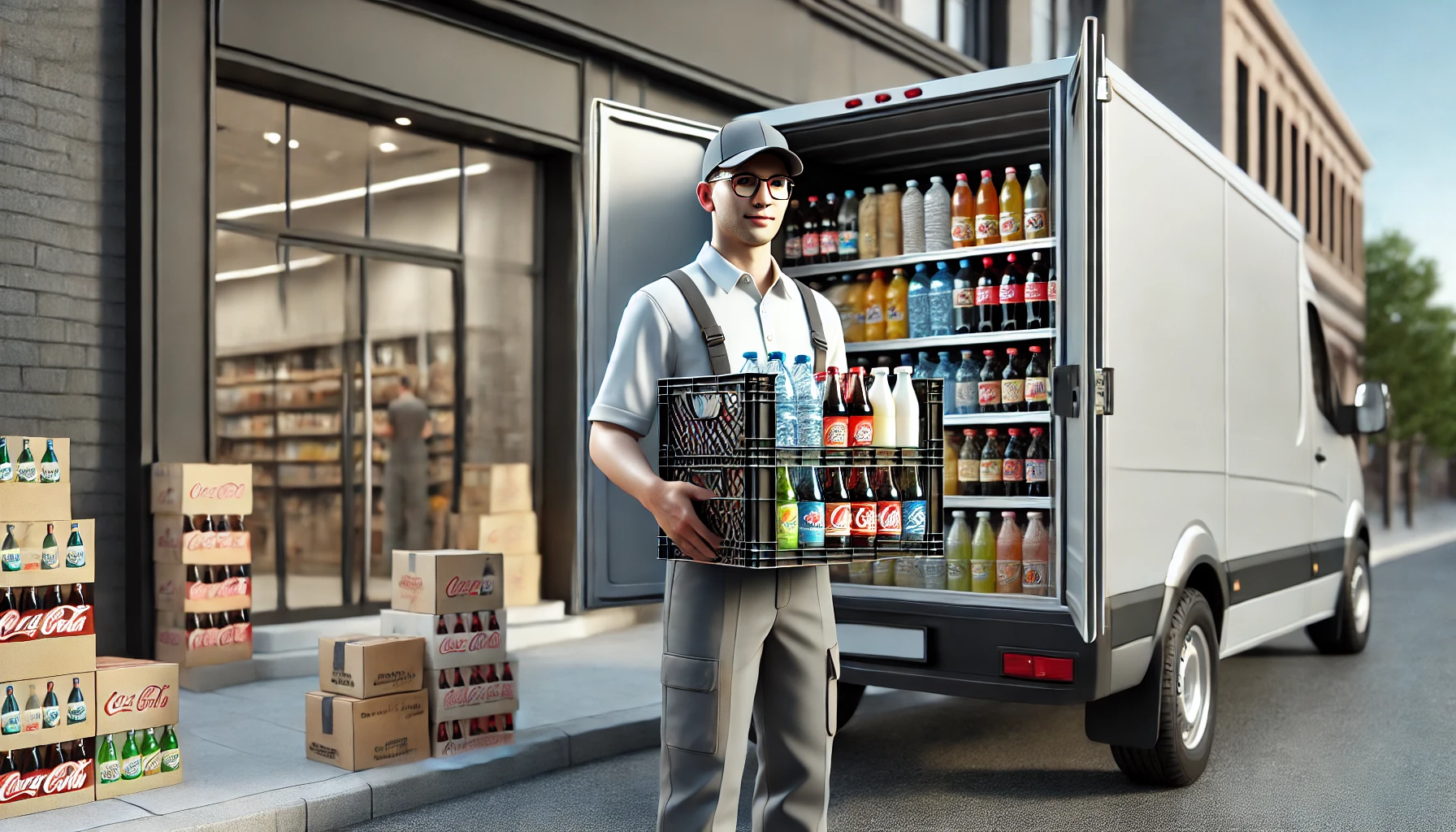

CALIFORNIA BEVERAGE DISTRIBUTORS
A Comprehensive Guide to the Golden State’s Beverage Market
California, the most populous state in the U.S., is renowned for its cultural diversity, innovation, and economic influence. From world-class wineries to thriving craft breweries and health-focused beverages, California leads the nation in beverage production and consumption. This article explores the intricacies of California’s beverage distribution landscape, highlighting key players, market trends, and strategies for success.
Overview of California’s Beverage Market
California’s beverage market reflects the state’s diverse population, progressive lifestyle, and global influence. Key categories include:
- Alcoholic Beverages: California is home to Napa Valley, the epicenter of American winemaking, alongside a robust craft beer and distillery scene.
- Non-Alcoholic Beverages: Cold brews, herbal teas, sparkling waters, and functional drinks dominate the non-alcoholic space.
- Specialty Beverages: Kombuchas, organic juices, CBD-infused drinks, and plant-based options resonate with California’s health-conscious consumers.
Key Beverage Distribution Channels
Beverage distributors in California utilize a variety of channels to meet the state’s diverse needs:
- Retail: Supermarkets, independent stores, and specialty markets account for significant beverage sales.
- Hospitality: Restaurants, hotels, and bars cater to California’s thriving tourism and nightlife industries.
- E-Commerce: Online platforms and delivery apps are essential for California’s tech-savvy and convenience-focused consumers.
- Event-Based Sales: Music festivals, sports events, and cultural gatherings create high-demand opportunities.
Prominent Beverage Distributors in California
California boasts a mix of national leaders and local pioneers in beverage distribution:
- Southern Glazer’s Wine & Spirits: A dominant force in wine and spirits distribution across the state.
- Young’s Market Company: Specializes in premium wine, spirits, and craft beverages.
- Golden Brands: A major distributor of beer, non-alcoholic beverages, and specialty products.
- Lagunitas Brewing Company: A California-based brewery that distributes innovative craft beers nationwide.
- Independent Distributors: Many focus on niche and locally produced beverages to cater to regional preferences.
Challenges in Beverage Distribution
While California offers immense opportunities, distributors face several challenges:
- Market Competition: The state’s vibrant beverage market attracts numerous competitors, necessitating unique offerings.
- Regulatory Compliance: Navigating California’s stringent alcohol and environmental regulations requires diligence.
- Logistics: Delivering across California’s vast and geographically diverse landscape is a logistical challenge.
- Consumer Expectations: High-quality, sustainable, and innovative products are in high demand.
Emerging Trends in California’s Beverage Market
- Health and Wellness: Functional drinks, low-calorie beverages, and plant-based options continue to grow in popularity.
- Craft and Local Products: Consumers are embracing small-batch, locally made beers, wines, and spirits.
- Sustainability: Eco-friendly packaging and sustainable sourcing practices are industry standards in California.
- Technology Integration: Digital tools and data analytics are optimizing inventory management and distribution efficiency.
- Global and Fusion Flavors: California’s multicultural population drives demand for diverse and innovative flavor profiles.
Strategies for Success
To excel in California’s competitive beverage market, distributors should consider the following strategies:
- Emphasize Local and Sustainable Brands: Highlighting California-made and eco-conscious products resonates with consumers.
- Leverage Technology: Invest in digital tools for inventory optimization, route planning, and customer engagement.
- Expand E-Commerce Presence: Capitalize on the growing demand for online shopping and delivery services.
- Partner with Independent Retailers: Collaborate with local stores to reach niche markets and build strong community ties.
- Engage in Event Sponsorships: Showcase products at music festivals, cultural events, and industry expos to boost visibility.
The Role of Independent Retailers
Independent retailers are pivotal in California’s beverage market. They offer:
- Flexibility: Adapt quickly to consumer preferences and emerging trends.
- Support for Local Brands: Provide a platform for California-made and small-batch beverages.
- Personalized Service: Build strong customer relationships, fostering loyalty and repeat business.
California’s beverage market is a vibrant blend of tradition, innovation, and opportunity. By supporting local producers, embracing sustainability, and leveraging technology, beverage distributors can thrive in the Golden State’s dynamic landscape. With a commitment to quality and community, distributors can capitalize on one of the nation’s most lucrative and influential markets.
To get into a beverage distributor, you typically need to contact the sales representative of the distributor directly, present your business and sales plan, demonstrate a strong market presence and customer base, and comply with the distributor’s licensing and legal requirements; often, this involves having a valid retail license, a well-established business with a proven track record of selling beverages, and a clear understanding of the three-tier system in the beverage industry.
.
Steps to get into a beverage distributor:
- Research and identify distributors:
Find distributors in your area that align with your product type and target market.
- Contact the sales team:
Reach out to the sales representative of the distributor and schedule a meeting.
- Prepare a compelling presentation:
- Your business profile: Present details about your business, including your company history, ownership structure, and current customer base.
- Market analysis: Showcase your understanding of the local market, including demographics and competitor landscape.
- Sales strategy: Outline your plan for marketing and selling the products to your customer base.
- Financial information: Provide details about your financial stability and sales potential.
- Your business profile: Present details about your business, including your company history, ownership structure, and current customer base.
- Product knowledge:
Demonstrate in-depth knowledge about the beverage products you want to distribute, including their features, benefits, and pricing.
- Compliance with regulations:
Ensure you have all necessary licenses and permits to sell and distribute beverages in your area.
- Logistics and distribution plan:
Discuss your capabilities for storage, delivery, and managing inventory.
- Negotiate terms:
Discuss pricing, minimum order quantities, payment terms, and promotional support with the distributor.
Important considerations:
- Three-tier system:
Understand the three-tier system in the beverage industry, where producers sell to distributors, who then sell to retailers.
- Sales volume and market reach:
Distributors typically prioritize businesses with a proven track record of sales and a strong market presence.
- Customer base:
Highlight the customer types you serve and how your sales strategy will benefit the distributor.
- Brand reputation:If you are a new company, building a positive brand image can be crucial.