
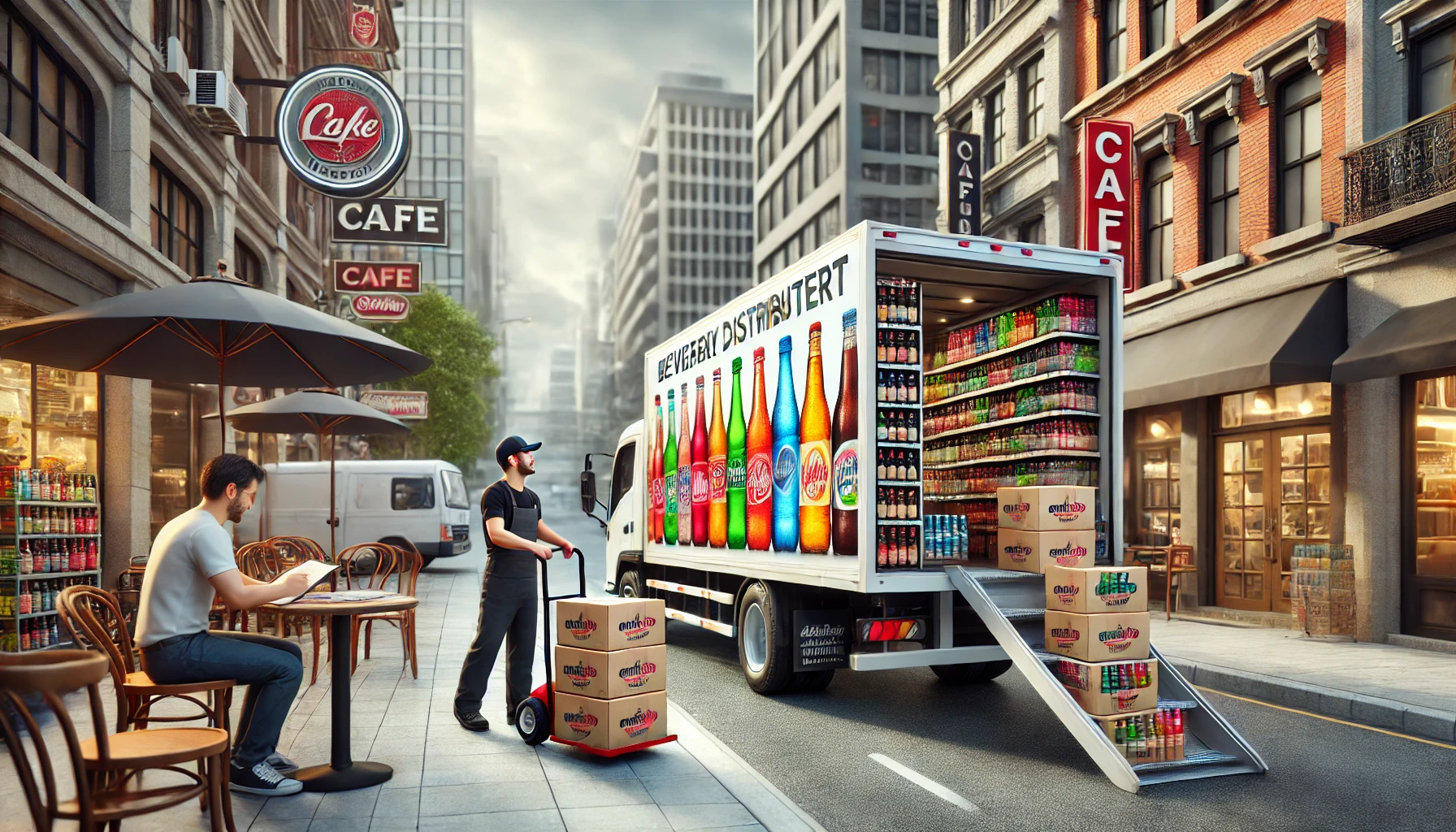

ALASKA BEVERAGE DISTRIBUTORS
A COMPREHENSIVE GUIDE TO THE LAST FRONTIER’S BEVERAGE MARKET
Alaska, known for its vast wilderness and extreme conditions, offers unique challenges and opportunities within its beverage industry. This state’s market is characterized by its remote locations and a population that values both quality and convenience in their beverage choices. This guide provides an in-depth look at the intricacies of Alaska’s beverage distribution network, spotlighting the major distributors, evolving consumer trends, and strategies for navigating this distinct market.
Overview of Alaska’s Beverage Market
Despite its sparse population, Alaska is an active market for beverages, driven by unique demographic and environmental factors. The market is segmented as follows:
- Alcoholic Beverages: There is a notable demand for craft beers and local spirits, supported by a burgeoning local brewing and distilling scene.
- Non-Alcoholic Beverages: Includes popular items such as bottled water — especially important in remote areas — as well as sodas and functional beverages.
- Specialty Beverages: Artisanal and locally-sourced beverages, including native berry juices and herbal teas, are increasingly popular.
Key Beverage Distribution Channels
Beverage distributors in Alaska must adapt to the logistical challenges posed by the state’s geography:
- Retail: Mainly consists of supermarkets and local stores, which are central to distribution in both urban and remote areas.
- Hospitality: Hotels, restaurants, and bars, particularly in tourist-heavy areas like Anchorage and Juneau, serve as key venues for beverage sales.
- Direct Delivery: Essential in reaching remote locations, often involving air or boat delivery.
- Seasonal Sales: Demand spikes during the tourist season and various local festivals and events.
Prominent Beverage Distributors in Alaska
Alaska’s beverage distribution is handled by a mix of local and national players, including:
- Odom Corporation: A major distributor that handles a wide range of alcoholic and non-alcoholic beverages throughout the state.
- K&L Distributors: Specializes in alcoholic beverages, providing a broad selection of beers, wines, and spirits.
- Specialty Imports: Known for a diverse portfolio of fine wines, spirits, and artisanal beverages.
- Local Microbreweries and Distilleries: These businesses often distribute their own products directly to local markets.
Challenges in Beverage Distribution
Distributors in Alaska face several unique challenges:
- Logistical Complexities: The vast and rugged terrain makes distribution costly and time-consuming.
- Limited Market Size: The relatively small and dispersed population limits the scale of operations.
- Regulatory Barriers: State regulations on alcohol can be stringent and vary widely across different areas.
- Seasonal Variability: The extreme seasonal changes in population and consumption patterns require flexible distribution strategies.
Emerging Trends in Alaska’s Beverage Market
Current trends influencing the market include:
- Premiumization: Consumers are increasingly seeking higher-quality, premium beverages.
- Local and Sustainable: There is a growing preference for locally sourced and environmentally sustainable products.
- Health-Conscious Choices: Functional beverages and lower-alcohol options are becoming more popular.
- Technological Integration: Utilizing technology for inventory and logistics management is becoming essential for efficiency.
Strategies for Success
Successful distributors in Alaska often adopt the following approaches:
- Tailored Logistics Solutions: Developing specialized logistics strategies to handle the challenges of Alaska’s terrain.
- Emphasis on Local Products: Promoting local breweries and distilleries can create a loyal customer base.
- Adapting to Consumer Preferences: Staying responsive to the demand for premium and health-oriented products.
- Building Strong Retail Partnerships: Establishing robust connections with local retailers is key to ensuring widespread distribution.
The Role of Independent Retailers
Independent retailers are crucial in Alaska’s beverage distribution ecosystem, offering:
- Flexibility: They can quickly adapt to the shifting needs and preferences of local communities.
- Community Connection: Their deep ties within communities help in building trust and customer loyalty.
- Support for Local Products: They often prioritize stocking local brands, which supports the state’s economy.
Navigating the beverage distribution landscape in Alaska requires a deep understanding of the local market dynamics, consumer preferences, and logistical hurdles. By leveraging strong local partnerships, adapting to emerging trends, and investing in technology, distributors can effectively meet the demands of this unique and challenging market.
To get into a beverage distributor, you typically need to contact the sales representative of the distributor directly, present your business and sales plan, demonstrate a strong market presence and customer base, and comply with the distributor’s licensing and legal requirements; often, this involves having a valid retail license, a well-established business with a proven track record of selling beverages, and a clear understanding of the three-tier system in the beverage industry.
.
Steps to get into a beverage distributor:
- Research and identify distributors:
Find distributors in your area that align with your product type and target market.
- Contact the sales team:
Reach out to the sales representative of the distributor and schedule a meeting.
- Prepare a compelling presentation:
- Your business profile: Present details about your business, including your company history, ownership structure, and current customer base.
- Market analysis: Showcase your understanding of the local market, including demographics and competitor landscape.
- Sales strategy: Outline your plan for marketing and selling the products to your customer base.
- Financial information: Provide details about your financial stability and sales potential.
- Your business profile: Present details about your business, including your company history, ownership structure, and current customer base.
- Product knowledge:
Demonstrate in-depth knowledge about the beverage products you want to distribute, including their features, benefits, and pricing.
- Compliance with regulations:
Ensure you have all necessary licenses and permits to sell and distribute beverages in your area.
- Logistics and distribution plan:
Discuss your capabilities for storage, delivery, and managing inventory.
- Negotiate terms:
Discuss pricing, minimum order quantities, payment terms, and promotional support with the distributor.
Important considerations:
- Three-tier system:
Understand the three-tier system in the beverage industry, where producers sell to distributors, who then sell to retailers.
- Sales volume and market reach:
Distributors typically prioritize businesses with a proven track record of sales and a strong market presence.
- Customer base:
Highlight the customer types you serve and how your sales strategy will benefit the distributor.
- Brand reputation:If you are a new company, building a positive brand image can be crucial.